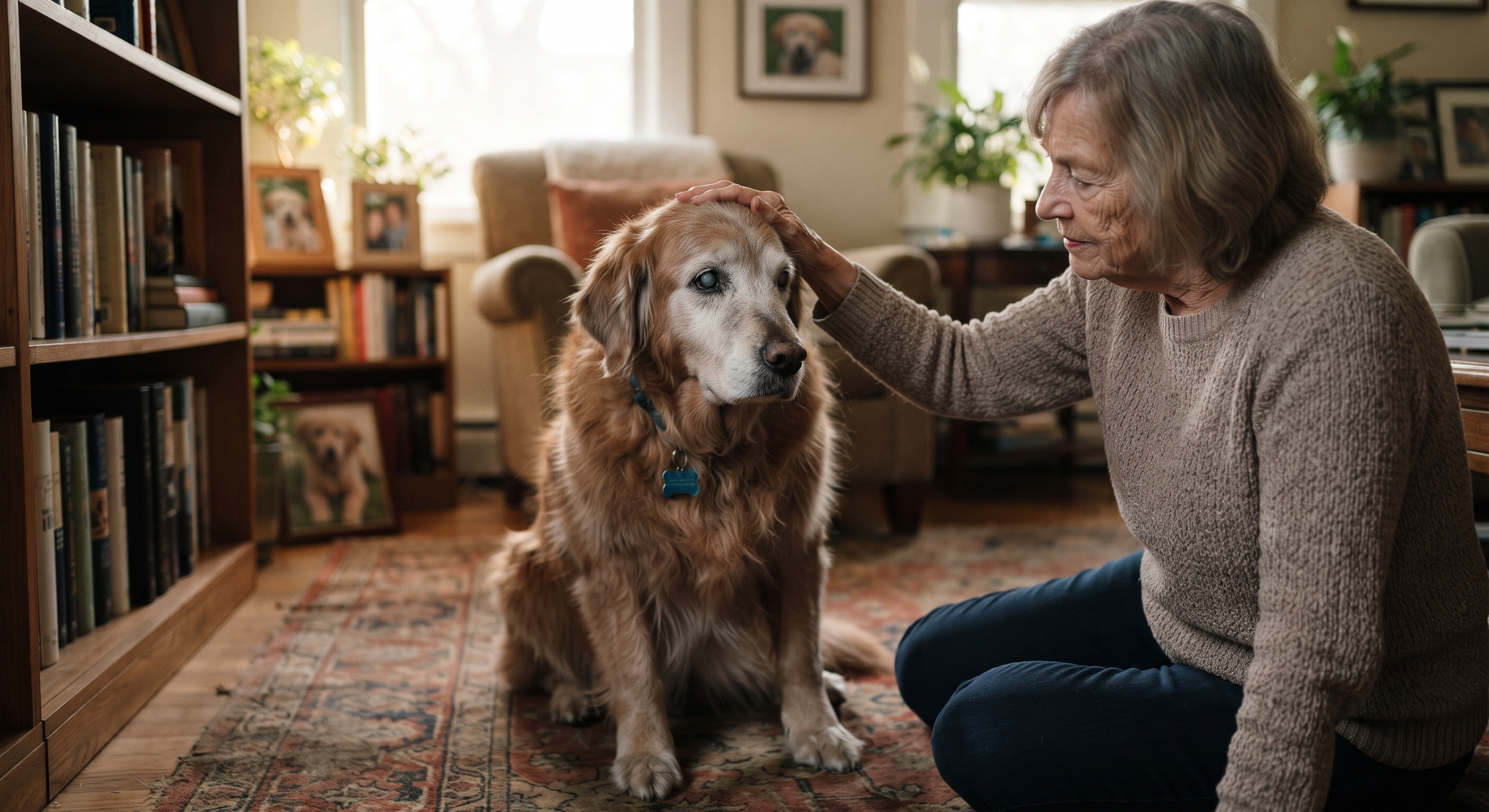
Conteúdo do Artigo: As veterinary medicine advances, our dogs are living longer, healthier lives than ever before. However, this wonderful milestone comes with a new set of challenges for senior pet parents. Just like humans, aging dogs can experience a decline in mental function. This condition is clinically known as Canine Cognitive Dysfunction (CCD)—often referred to as dog dementia.
The hardest part for pet owners is that CCD creeps in silently. Many owners mistake early neurological changes for normal "old age laziness." According to research highlighted by the American Kennel Club (AKC) Health Foundation, recognizing the signs early can dramatically improve your dog's quality of life.
Watch: Understanding Dog Dementia and Signs to Look For To better understand how veterinary experts diagnose and approach canine cognitive decline, watch this informative breakdown:
YouTube Video: Canine Cognitive Dysfunction Explained
The 4 Hidden Signs of Canine Cognitive Dysfunction Veterinary behaviorists use the acronym DISHA to classify the core categories of symptoms associated with canine cognitive decline. Here are the most critical early indicators to watch for:
Disorientation: Does your dog stare blankly at walls, get "stuck" behind open doors, or seem lost in familiar areas of your home or yard?
Interactions Changes: You might notice subtle shifts in affection. A once-clingy dog might become distant, or conversely, an independent dog might display sudden, intense clinginess (velcro behavior).
Sleep-Wake Cycle Disruptions: Dogs with CCD often mix up day and night. They may pace, whine, or wander restlessly throughout the house during the dark hours, while sleeping soundly all afternoon.
House-Training Lapses: A previously well-housebroken dog suddenly starts having indoor accidents because they forget the signals or fail to recognize where they are.
Actionable Steps to Support an Aging Brain While Canine Cognitive Dysfunction cannot be completely cured, modern veterinary science offers powerful ways to slow its progression and protect your dog's cognitive reserve. Detailed medical guidelines and management strategies can be found on authoritative resources like VCA Animal Hospitals and PetMD:
Enriched Mental Stimulation: Keep their brain active with puzzle toys, snuffle mats, and new low-stress scent games daily.
Specialized Nutritional Diets: Consult your veterinarian about diets rich in Medium-Chain Triglycerides (MCTs) and antioxidants, which have been clinically proven by veterinary nutritionists to improve memory and alertness in senior dogs.
Consistent Routine: Maintain predictable feeding, walking, and sleeping schedules to reduce environmental anxiety and confusion.
Frequently Asked Questions At what age can dogs develop cognitive dysfunction? Signs can begin to appear in dogs around 8 to 10 years of age, and the prevalence increases significantly in dogs aged 12 and older, particularly in smaller breeds that tend to have longer lifespans.
Is dog dementia the same as Alzheimer's in humans? Yes, from a neurological and neuropathological standpoint, CCD shares striking similarities with human Alzheimer's disease, including the accumulation of beta-amyloid proteins in the brain.
Conclusion Notice subtle shifts in your senior dog's behavior? Don't write them off as just "getting old." Early veterinary intervention, mental enrichment, and tailored nutrition can make all the difference in keeping your loyal companion comfortable and happy through their golden years.