If you’ve ever taken your dog for a long walk, ran around the park with them, and yet, upon coming home, they still found the energy to chew up a toy (or worse, the table leg), you are not alone.
Many pet parents believe the magic formula for a balanced animal boils down to miles of walking. But content creators and animal behavior experts in the United States have been highlighting a crucial point: physical exercise tires the body, but mental enrichment tires the brain — and it's the brain that decides whether your pet will relax or stay bored.
What is mental fatigue and why does it matter?
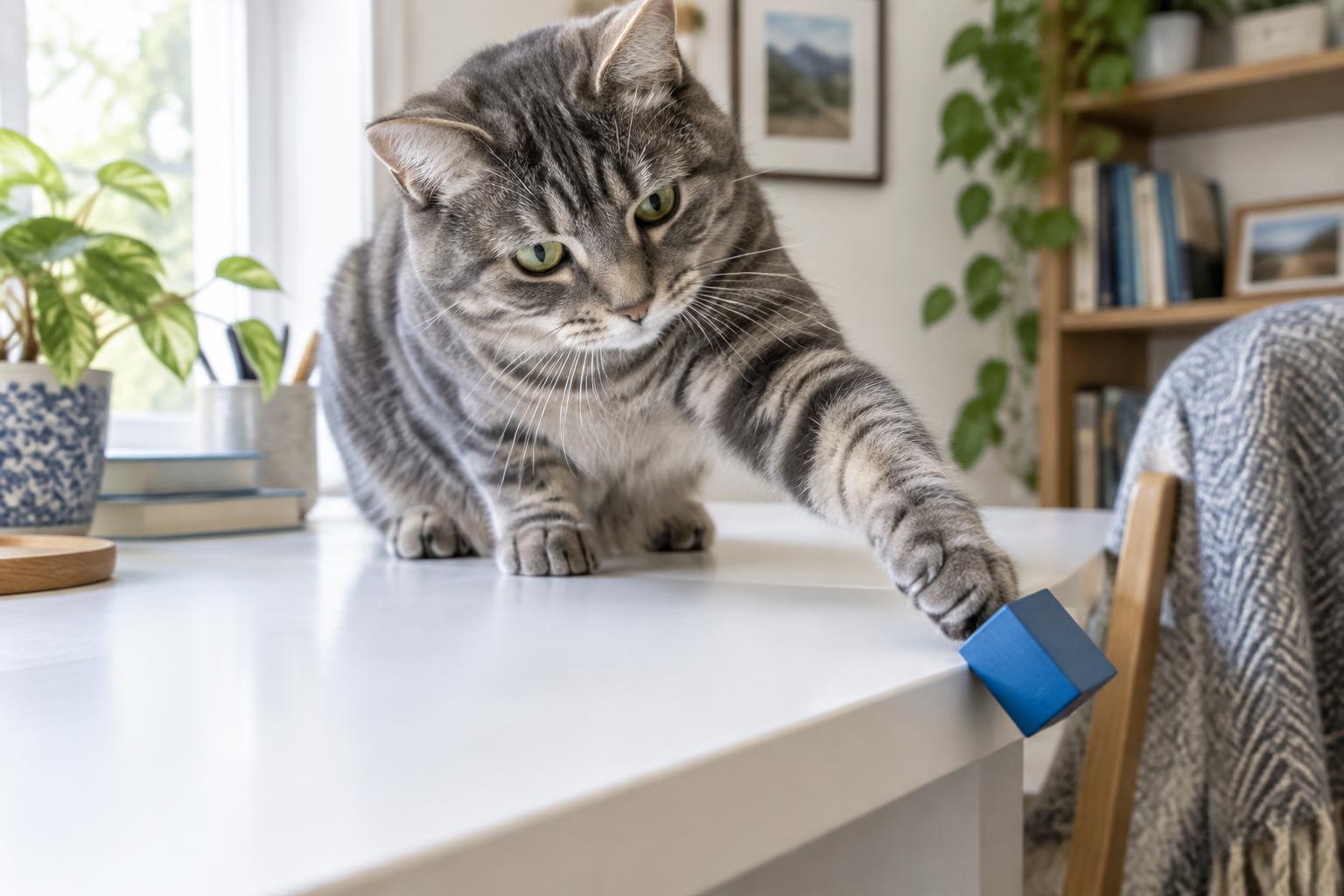
Just like humans, who might return physically exhausted from manual labor but still mentally wired, dogs and cats need cognitive stimulation.
When a dog sniffs, solves a food puzzle, or learns a new command for 15 minutes, the metabolic and cerebral energy expenditure is immense. Observations and practical insights from professional trainers show that 15 minutes of active sniffing work can tire a dog out more than an hour of linear walking on the exact same route.
Practical benefits of daily mental stimulation:
- Anxiety reduction: Mentally stimulated pets tend to display fewer destructive behaviors driven by boredom.
- Improved self-control: Problem-solving teaches animals to pause, think, and act more calmly.
- Focus on the owner: Creates moments of deep connection and cooperation indoors.
How to apply this to your routine without complications?
You don't need hours of free time to introduce mental enrichment into your pet's daily life. Small tweaks to your routine make all the difference:
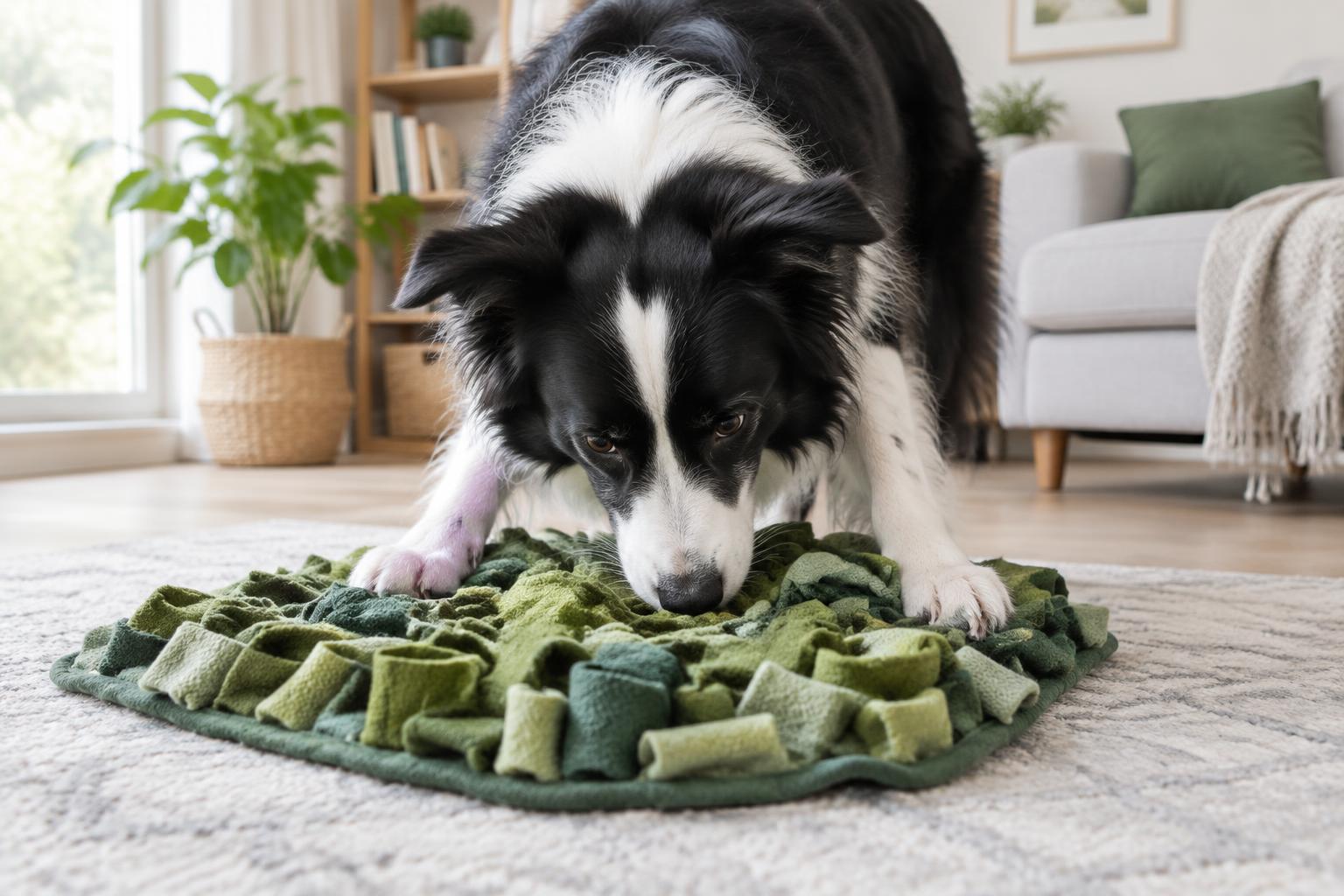
- Change how you serve meals: Instead of a standard food bowl, use interactive toys, puzzle boards, or a snuffle mat.
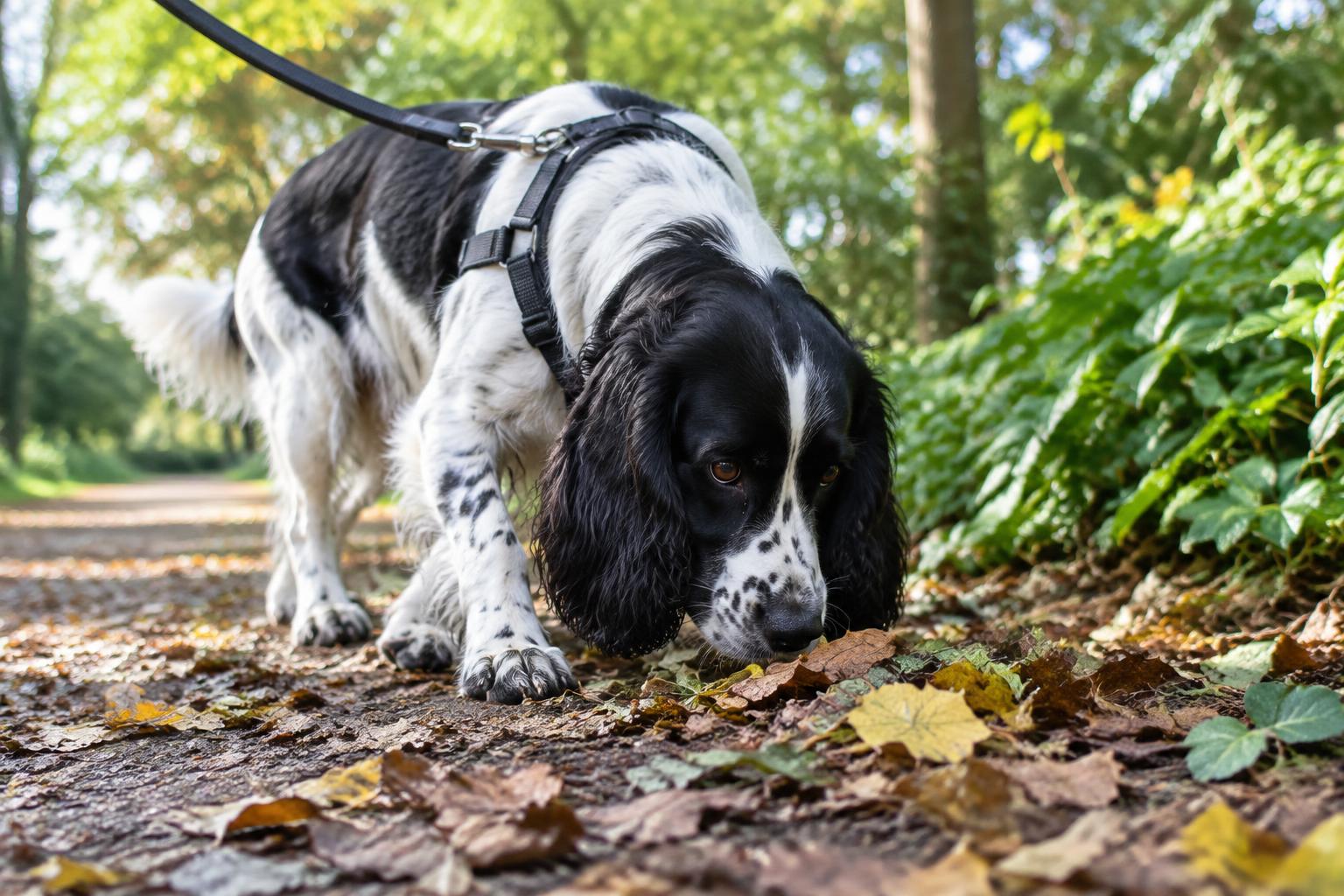
- Incorporate "sniffing work" on walks: Allow your dog to sniff poles, trees, and corners during walks. Avoid pulling them along constantly; let them explore the environment through their sense of smell, which is their primary way of reading the world.
- Quick indoor challenges: Hide treats around the living room and use cues like "find it" to encourage them to use their noses.
Life shared with pets gets so much lighter when we understand what they truly need. How do you balance physical and mental exercise in your pet's routine? Let us know in the comments!