The Funniest Dog Halloween Costumes of 2026 — And How to Keep Your Pup Safe
Halloween is the perfect excuse to celebrate the personality, charm, and downright hilarious habits of our four-legged family members. Every October, dog owners across the United States look for creative ways to include their pets in the festivities, whether through adorable costumes, themed photos, neighborhood walks, or a simple seasonal bandana.
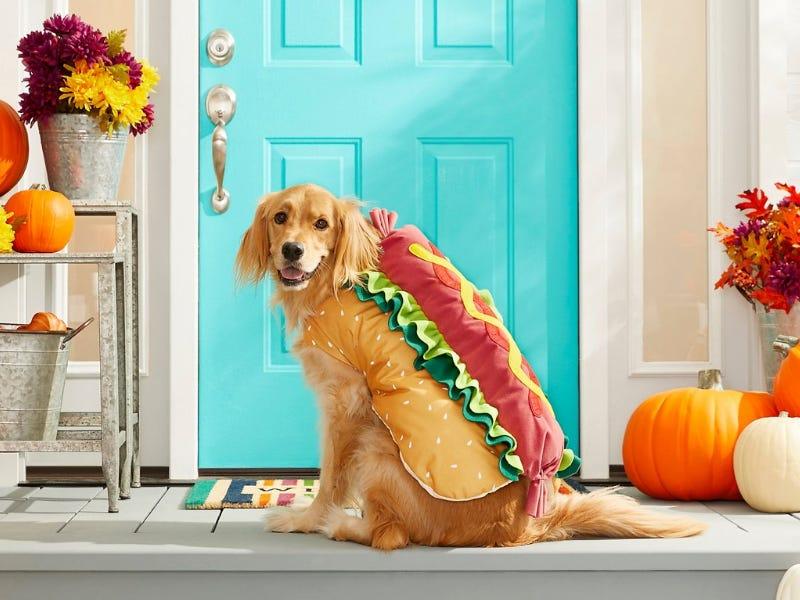
In 2026, one classic outfit is attracting particular attention: the hot dog costume. According to search-trend findings released by Camp Bow Wow in October, hot dog costumes ranked first among America's most-searched dog Halloween costumes. Other popular searches included chicken, shark, spider, princess, ghost, dinosaur, pumpkin, dragon, and lion costumes.
But finding a costume that looks great in a photograph is only half the story. The best Halloween outfit is one that suits your dog's personality, allows comfortable movement, and keeps safety ahead of appearance.
If you're searching for funny dog Halloween costumes, easy DIY ideas, or practical ways to take memorable pictures of your pup, this guide will help you plan a celebration that is fun for everyone.
Why Dog Halloween Costumes Are So Popular in 2026
Pets have become an important part of family celebrations, and Halloween offers an opportunity to include them in a playful tradition. A well-chosen costume can create a memorable photograph, bring a smile to friends and family, and provide a fun theme for a seasonal social media post.
However, popularity alone does not explain why certain costumes stand out. The most appealing outfits are often recognizable at a glance, easy to photograph, and comfortable enough for a dog to wear briefly.
A hot dog costume, for example, combines a familiar food with an unexpected subject. A tiny dog dressed as a dinosaur creates a similar contrast: the costume is humorous because it transforms an ordinary moment into something surprising.
For dog owners, the best approach is to start with the animal rather than the trend. Consider your dog's size, coat, temperament, and tolerance for clothing before choosing an outfit.
10 Funny Dog Halloween Costume Ideas for 2026
Looking for inspiration? These ideas combine recognizable themes with opportunities for fun photographs. Remember that the costume should always be optional, and some dogs are happier wearing a simple accessory rather than a complete outfit.
1. The Classic Hot Dog
The hot dog remains a standout choice for 2026, according to Camp Bow Wow's published findings on American costume searches.
Its appeal is easy to understand. The shape is instantly recognizable, the concept is lighthearted, and the costume can make an ordinary dog portrait look hilarious.
For a simple photo, choose a well-fitting outfit that leaves your dog's legs free and does not restrict breathing or vision. If your dog dislikes clothing, a hot dog-themed bandana may offer a more comfortable alternative.
2. The Tiny Dinosaur
Dinosaur costumes are another playful option. A small dog wearing a soft dinosaur-themed outfit can make an amusing subject for a Halloween photograph.
Look for lightweight materials and avoid accessories that could obstruct your dog's eyes or become loose during movement. A costume should never prevent your pet from walking naturally.
3. The Friendly Ghost
A ghost theme is simple, recognizable, and easy to adapt. Instead of covering your dog's entire body with a large sheet, consider a lightweight costume designed specifically for pets.
Never use fabric that covers the eyes, nose, or mouth. Your dog must be able to see clearly, breathe normally, and move without tripping.
4. The Little Superhero
Superhero costumes work particularly well for dogs with confident, playful personalities. A simple cape attached securely to a properly fitted harness can create the look without requiring a complicated outfit.
Check that the cape cannot wrap around the dog's legs or become caught on nearby objects. Keep the photo session short and remove the accessory if your dog begins chewing it or appears uncomfortable.
5. The Pumpkin Pup
Pumpkin costumes are a timeless Halloween favorite. Their bright orange color photographs beautifully against autumn leaves, porch decorations, and seasonal backgrounds.
Choose a breathable outfit with enough room for normal movement. Avoid heavy layers, particularly if the weather is warm or your dog will be active outdoors.
6. The Shark
A shark costume can create a funny contrast between a friendly family pet and a miniature ocean predator.
The most important consideration is fit. Avoid bulky headpieces or accessories that limit vision, hearing, or movement. Your dog should never have to tolerate discomfort simply to complete a costume theme.
7. The Little Princess
A princess-inspired outfit can be as simple as a decorative collar or a lightweight garment made for dogs.
Avoid small crowns, beads, or other pieces that can detach and become choking hazards. A simple accessory often creates a better photograph without adding unnecessary risks.
8. The Chicken
Chicken costumes are another humorous option highlighted in the 2026 search findings. Their distinctive shape makes them easy to recognize in photographs.
Choose a costume that does not cover the face or restrict the chest. Supervise your dog throughout the experience, particularly if the outfit includes feathers, elastic, or detachable decorations.
9. The Friendly Lion
A lion mane can create an amusing look without requiring a full-body costume. Nevertheless, some dogs may find anything around their head or neck uncomfortable.
Introduce the accessory gradually and remove it immediately if your dog repeatedly paws at it, freezes, tries to escape, or shows other signs of distress.
10. The Classic Spider
A spider costume can be especially striking in a photograph because of its unusual silhouette.
Check every attached leg carefully. Loose or dangling parts may catch on objects or become tempting chew toys. For many dogs, a simplified spider-themed accessory will be more practical than a bulky costume.
How to Choose a Halloween Costume Your Dog Will Actually Enjoy
The biggest mistake is choosing an outfit based entirely on appearance. Dogs experience clothing differently from humans, and not every animal enjoys wearing unfamiliar materials.
Before making a purchase, consider these five factors:
Comfort and fit: The costume should allow your dog to stand, walk, sit, and lie down naturally. It should not press tightly against the neck or chest.
Clear vision: Your dog must be able to see the surrounding environment. Avoid masks, obstructive headpieces, or fabric that falls across the eyes.
Breathing and temperature: Choose breathable materials and avoid heavy layers that may trap heat. Dogs with breathing difficulties or other health concerns may need additional precautions.
Small parts: Buttons, beads, elastic pieces, and detachable decorations can present choking or ingestion hazards. Inspect the outfit before use.
Your dog's behavior: Introduce the costume gradually in a familiar environment. If your dog seems frightened, repeatedly tries to remove it, refuses to move, or shows clear discomfort, take it off.
The American Kennel Club provides additional guidance in its article, How to Choose a Halloween Costume for Your Dog.
Easy DIY Dog Halloween Costume Ideas
You do not need an expensive outfit to create a memorable Halloween moment. A simple, pet-safe accessory can be enough to establish a theme.
A Seasonal Bandana
Choose a bandana designed for dogs, with a Halloween pattern such as pumpkins, bats, or autumn leaves. It can provide a festive look without covering the entire body.
Make sure it fits appropriately, cannot become tightly wrapped around the neck, and is worn only under supervision.
A Halloween-Themed Harness
A comfortable harness with seasonal colors can create a coordinated look for a neighborhood walk. This option may be more suitable for dogs that dislike clothing.
The harness must fit correctly and should never be modified in a way that compromises its safety.
A Pumpkin-Themed Photo Setup
Instead of dressing your dog, create a simple photo setting with pet-safe decorations. Use a few pumpkins, an autumn-colored blanket, and natural light.
Keep candles, electrical cords, artificial cobwebs, and small decorative objects away from curious pets. Never leave your dog alone with props that could be chewed or swallowed.
The advantage of these ideas is that they allow you to celebrate Halloween without forcing your dog into an uncomfortable outfit.
How to Take Better Halloween Photos of Your Dog
A good photograph is often more about timing and patience than an elaborate costume.
Start by choosing a familiar, quiet location where your dog feels comfortable. Natural light near a window or in a shaded outdoor area can help you capture clear details without using a flash close to your pet's face.
Keep your camera at your dog's eye level rather than photographing every picture from above. This perspective can make the image feel more engaging and help communicate your dog's personality.
Use short photo sessions. Reward relaxed behavior with appropriate dog treats, praise, or a favorite toy. Allow your dog to take breaks instead of repeatedly repositioning them.
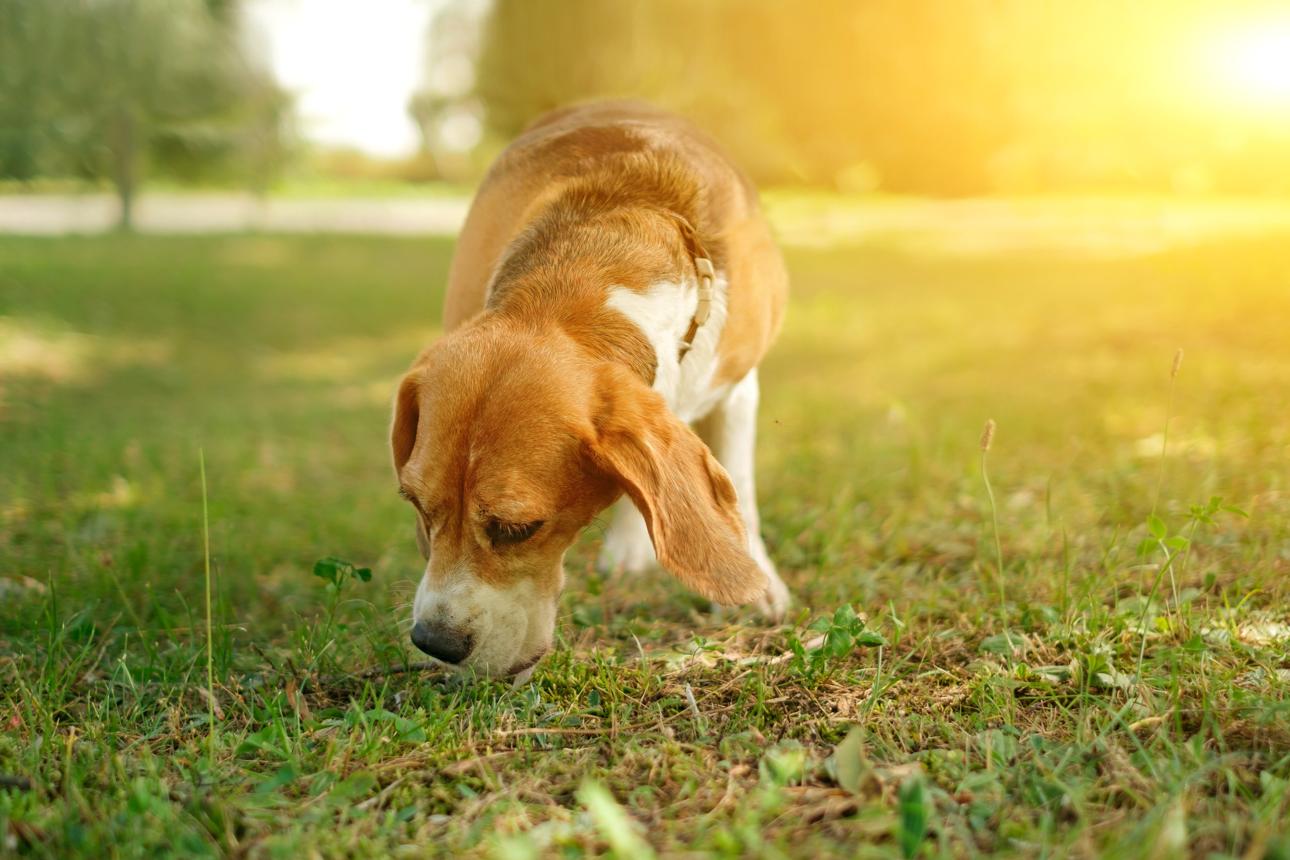
For a more natural result, capture your dog sitting, sniffing, looking toward a familiar person, or interacting with a favorite toy. These moments can be more appealing than a perfectly posed image.
Most importantly, remove the costume when your dog has had enough. A memorable photograph should never come at the expense of your pet's comfort.
Halloween Safety: What Every Dog Owner Should Know
Costumes are only one part of Halloween safety. The holiday also introduces unfamiliar visitors, frequent doorbells, decorations, candy, and changes to the normal household routine.
The ASPCA's Halloween safety guidance recommends keeping potentially dangerous treats out of reach and taking precautions around costumes and holiday activities.
Chocolate can be dangerous to dogs, and sugar-free products containing xylitol may also cause serious poisoning. Keep candy, wrappers, and unattended treats securely stored. If your dog eats something potentially toxic, contact a veterinarian or an appropriate animal poison-control service promptly rather than waiting for symptoms.
Frequent visitors can also create opportunities for dogs to slip through an open door. If your pet becomes anxious around strangers, consider providing a quiet, secure room with water, comfortable bedding, and familiar toys.
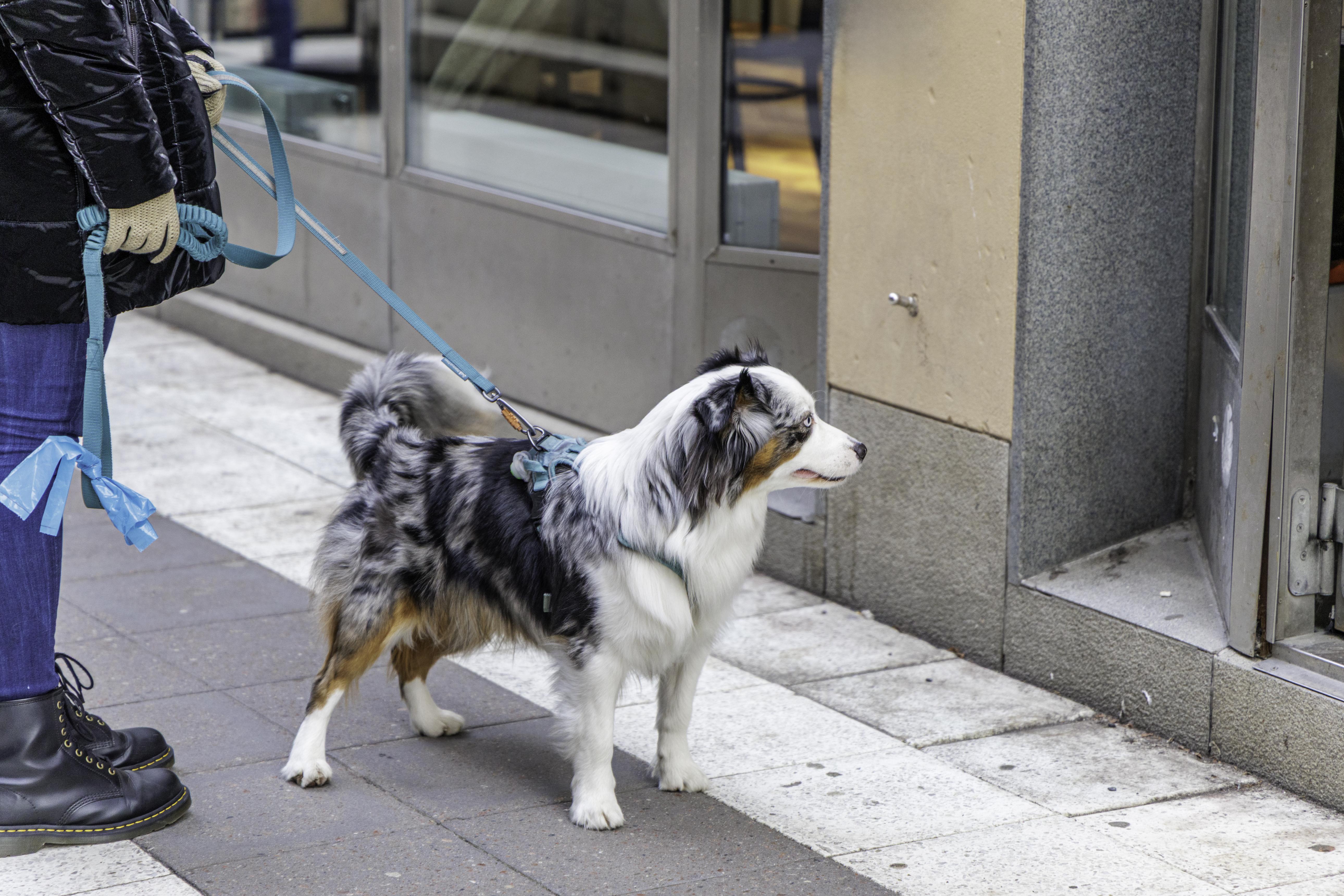
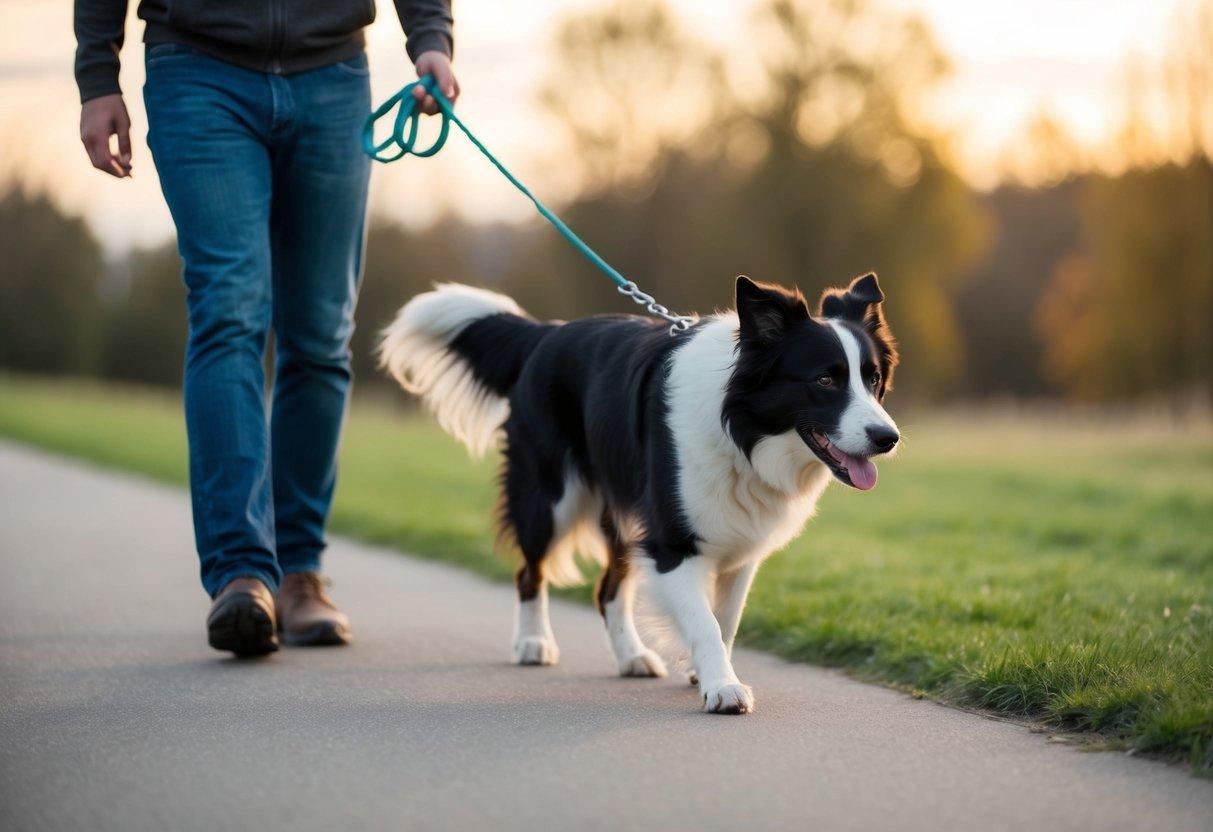
When walking outdoors after dark, use a secure leash and ensure your dog has identification. Reflective accessories can improve visibility, particularly near roads.
For further guidance, consult the American Kennel Club's Halloween safety tips for dogs.
Should You Dress Up a Dog That Dislikes Costumes?
No. Your dog does not need to wear a costume to participate in Halloween.
Some dogs tolerate clothing comfortably, while others become anxious when something unfamiliar touches their body. Both reactions are normal, and the owner's responsibility is to respect the animal's individual needs.
Watch your dog's body language instead of assuming that stillness means enjoyment. Repeated attempts to remove an outfit, unusual reluctance to move, or clear signs of distress are reasons to stop the activity.
A seasonal bandana, a themed collar accessory, or a photograph beside a pumpkin can be just as effective as a complete costume.
Halloween should be enjoyable for the entire family, including the animals who depend on us to make safe decisions for them.
Frequently Asked Questions About Dog Halloween Costumes
What is the most popular dog Halloween costume in 2026?
Camp Bow Wow reported in October 2026 that the hot dog was the most-searched dog Halloween costume in its analysis of Google Trends data. Chicken, shark, spider, princess, ghost, dinosaur, pumpkin, dragon, and lion also appeared among the leading searches.
These findings reflect the reported search comparison and should not be interpreted as a guarantee that every costume will be equally popular in every location.
Are Halloween costumes safe for dogs?
They can be, provided the costume fits correctly, allows normal movement and breathing, does not obstruct vision, and contains no hazardous detachable parts. Dogs should be supervised while wearing costumes.
What is the easiest Halloween costume for a dog?
A pet-safe seasonal bandana or a Halloween-themed harness can be an easy alternative to a full costume. Choose an accessory that fits correctly and remove it if your dog shows discomfort.
How long should a dog wear a Halloween costume?
There is no single duration that suits every dog. Keep the experience brief, supervise your pet, and remove the costume as soon as the dog shows discomfort or becomes too warm.
Can I use a human Halloween costume for my dog?
Human clothing is not necessarily designed for a dog's body shape, movement, or safety needs. A costume specifically made for pets is generally a more appropriate starting point. Always check fit, materials, and detachable parts.
Final Thoughts: Make Halloween Fun for Your Dog, Too
The funniest dog Halloween costume is not necessarily the most elaborate or expensive one. Often, the simplest idea produces the most memorable result: a classic hot dog outfit, a tiny dinosaur, a seasonal bandana, or a natural photograph that captures your dog's personality.
The 2026 interest in dog Halloween costumes offers a timely opportunity for pet owners to find inspiration, prepare for celebrations, and learn how to keep their animals comfortable.
Use trends as a starting point, not a rule. Choose an outfit that suits your dog, keep potentially dangerous treats and decorations out of reach, and let your pet decide whether dressing up is enjoyable.
After all, Halloween should create happy memories for the humans and the animals sharing the celebration.
Editorial note: This article is intended for general informational purposes and is not a substitute for individualized veterinary advice.
Sources and further reading
- Camp Bow Wow: America's Most-Searched Dog Halloween Costumes
- American Kennel Club: How to Choose a Halloween Costume for Your Dog
- American Kennel Club: Halloween Safety Tips for Dog Owners
- ASPCA: Halloween Safety Tips