Why Does My Dog Sniff Everything on Walks? The Science Behind Your Dog’s Nose
You leave the house expecting a nice, relaxing walk.
Your dog has other plans.
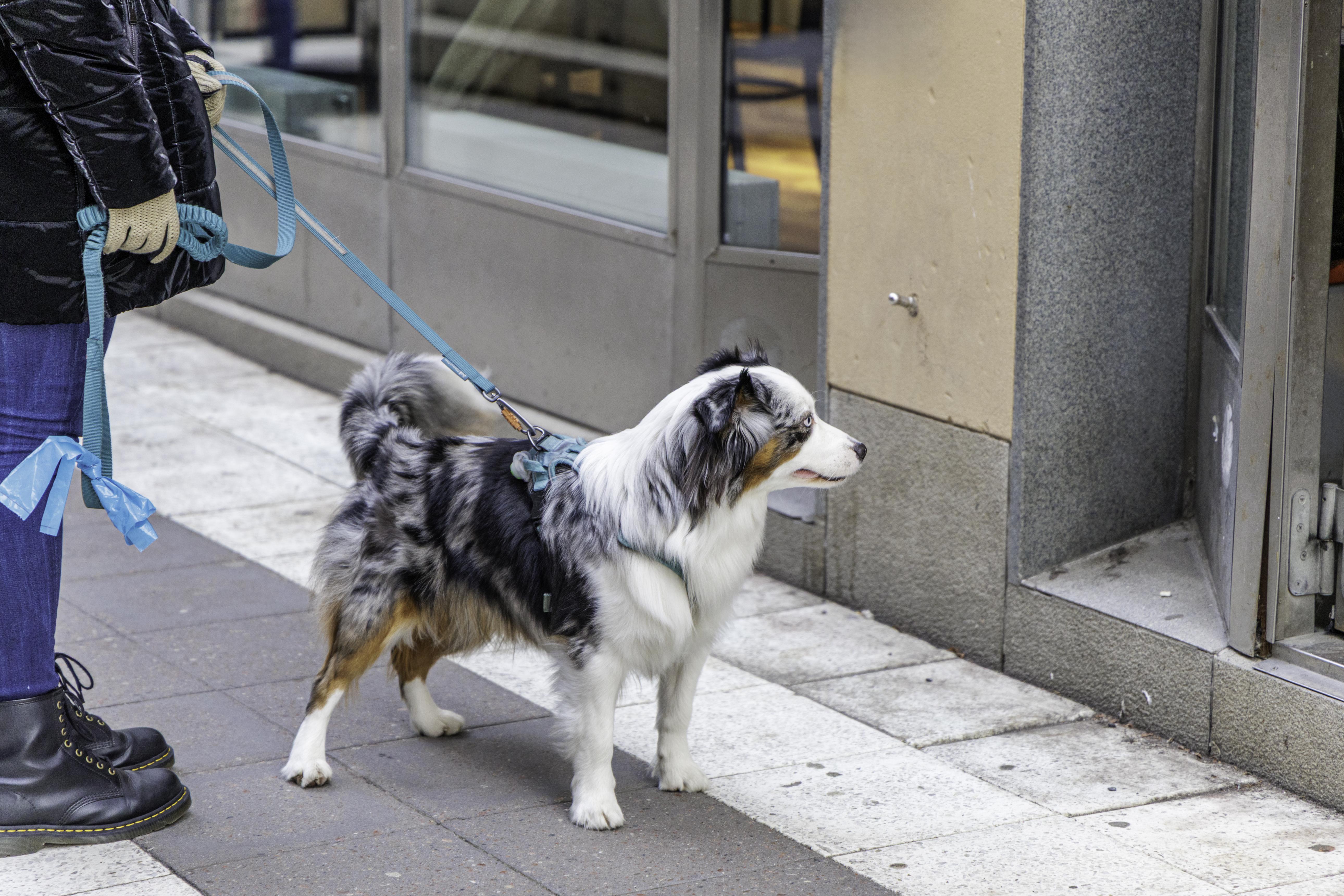
Five steps down the sidewalk, they stop to investigate a tree. A few seconds later, they're intensely sniffing a patch of grass. Then comes a mailbox, a fence post, and a mysterious spot on the pavement that apparently deserves several minutes of attention.
Sound familiar?
To us, these stops can seem unnecessary. But to dogs, smelling the environment is one of the most important ways of experiencing the world.
Your dog isn't necessarily wasting time when they stop to sniff. They may be gathering information, exploring their surroundings, and engaging in an important natural behavior.
So, why do dogs sniff everything on walks? What can they learn through their noses? And should you let your dog stop whenever an interesting smell appears?
Let's explore the fascinating science behind your dog's sense of smell.
Why Does My Dog Sniff Everything on Walks?
Dogs rely heavily on scent to understand their surroundings.
Humans tend to prioritize visual information. We notice faces, colors, movement, and signs. Dogs use vision too, but smell plays a particularly important role in how they investigate the world.
When your dog stops to sniff a tree, they may be detecting traces left by other animals.
When they investigate the ground, they may be following a scent trail or examining odors from food, plants, people, or wildlife.
Not every sniff has a single identifiable purpose. Dogs may also sniff simply because exploration is interesting and rewarding.
Here are five common reasons dogs sniff so much during walks.
1. They're Gathering Information About Other Animals
Dogs can detect chemical traces left behind by other animals.
Urine markings, for example, contain scent information that other dogs may investigate.
A dog sniffing a familiar tree might be responding to a new scent left since the previous walk.
This is why the same route can remain interesting day after day.
Although the sidewalk looks unchanged to you, its scent landscape may be constantly changing.
2. They're Exploring Their Environment
Dogs investigate unfamiliar places through their senses.
A new walking route introduces different plants, surfaces, animals, people, and environmental odors.
Even familiar neighborhoods offer changing scents depending on weather, recent activity, and other factors.
Allowing safe exploration helps dogs engage with their surroundings rather than simply moving through them.
3. Sniffing Is Naturally Rewarding
Dogs don't need to be taught to enjoy investigating scents.
Sniffing is a natural behavior that many dogs find rewarding.
This is one reason scent-based enrichment can be so useful.
Instead of constantly asking your dog to ignore smells, you can incorporate opportunities to sniff into their daily routine.
4. They're Following an Interesting Scent Trail
Some dogs become particularly focused when they encounter an intriguing odor.
They may move slowly, lower their nose to the ground, change direction, or investigate several connected locations.
Scent trails can come from wildlife, other dogs, people, or environmental sources.
A dog that suddenly becomes intensely focused on the ground may have detected something you cannot smell.
5. Sniffing May Help Them Feel More Comfortable
For some dogs, having opportunities to explore at their own pace may support relaxation and emotional well-being.
The American Kennel Club and veterinary behavior resources describe sniff-focused walks as a form of mental enrichment.
However, sniffing doesn't always indicate relaxation.
Dogs may also sniff when investigating something concerning or when their attention is drawn to a strong odor.
Understanding the dog's overall body language remains important.
How Powerful Is a Dog's Sense of Smell?
A dog's nose is an extraordinary sensory system.
Depending on the breed and individual dog, the canine nose contains vastly more scent receptors than the human nose.
Dogs can detect and distinguish many odors at concentrations that humans cannot perceive.
Their ability to investigate scent also supports tracking, search-and-rescue work, detection tasks, and everyday social communication.
Why Breed Matters
Some breeds have been selectively developed for scent-related work.
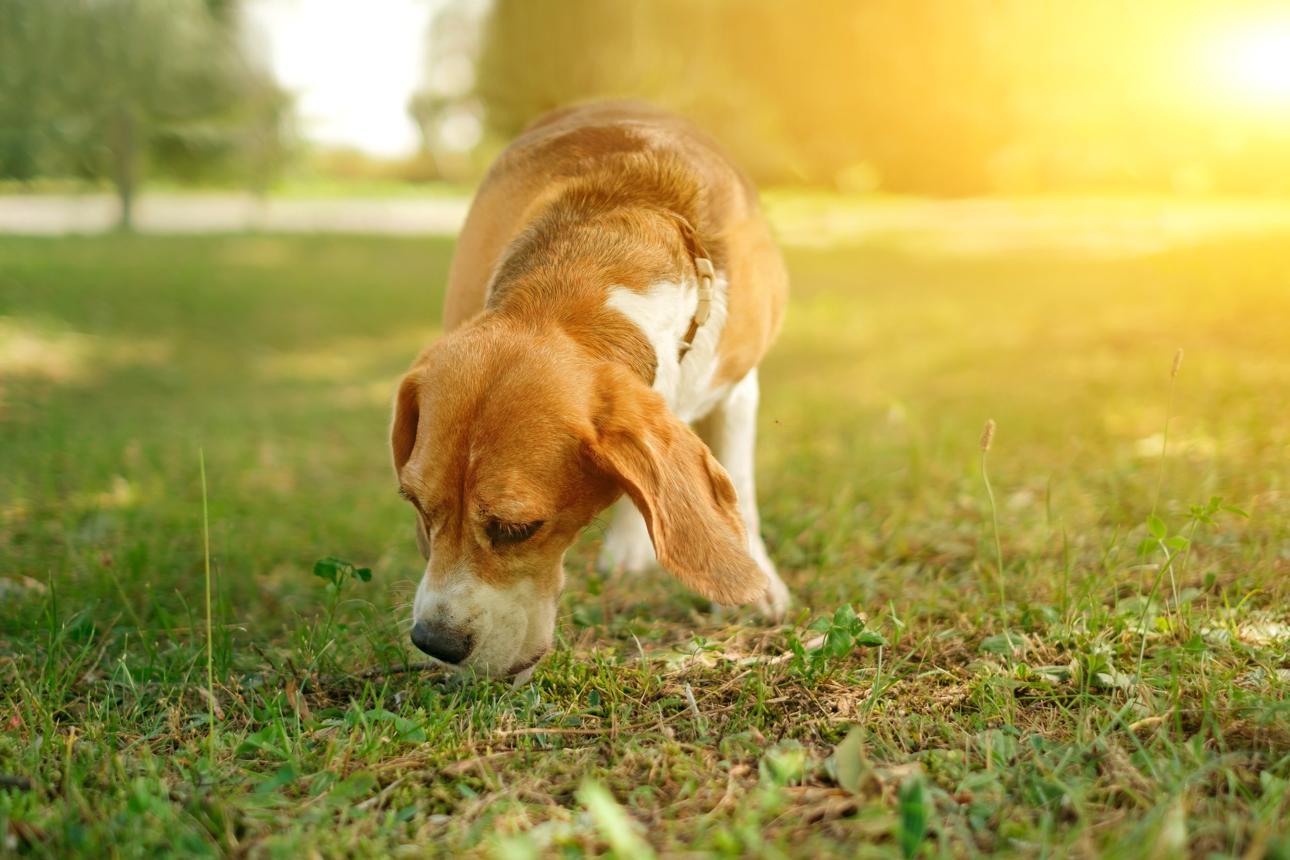
Beagles, Bloodhounds, and Basset Hounds are familiar examples of dogs with strong scent-tracking traditions.
However, all dogs have a meaningful need for sensory exploration.
A small companion dog may enjoy sniffing just as much as a working scent hound.
Breed can influence tendencies, but individual preferences and experiences matter too.
Is Sniffing Good for a Dog's Brain?
Sniffing can provide valuable mental enrichment.
Environmental enrichment involves giving animals opportunities to engage in natural behaviors and interact meaningfully with their surroundings.
For dogs, these activities may include searching for food, investigating scents, exploring new environments, playing, and solving simple problems.
A sniff-focused walk encourages dogs to make choices and investigate their environment.
This can provide a different type of stimulation from walking quickly along a fixed route.
Does Sniffing Make Dogs Tired?
Some dogs appear pleasantly tired or more settled after scent-based activities.
Mental engagement can be demanding, especially when a dog is concentrating on finding or distinguishing odors.
However, there is no universal formula showing that a specific number of minutes of sniffing equals a particular amount of physical exercise.
Sniffing should complement appropriate physical activity, not automatically replace it.
What Is a Sniff Walk?
A sniff walk, sometimes called a sniffari, is a walk that prioritizes scent exploration over distance or speed.
Instead of rushing toward a destination, the owner allows the dog more opportunities to investigate interesting smells.
The dog may stop frequently, change direction, or spend several minutes exploring a small area.
A successful sniff walk doesn't have to cover much ground.
The objective is to provide a safe and enjoyable opportunity for natural exploration.
How to Take Your Dog on a Sniff Walk: 7 Easy Steps
Step 1: Choose a Quiet Location
Select an area where your dog can explore without constantly encountering traffic, crowds, or other stressful situations.
A quiet park or familiar residential route can be a good starting point.
Step 2: Use Comfortable Equipment
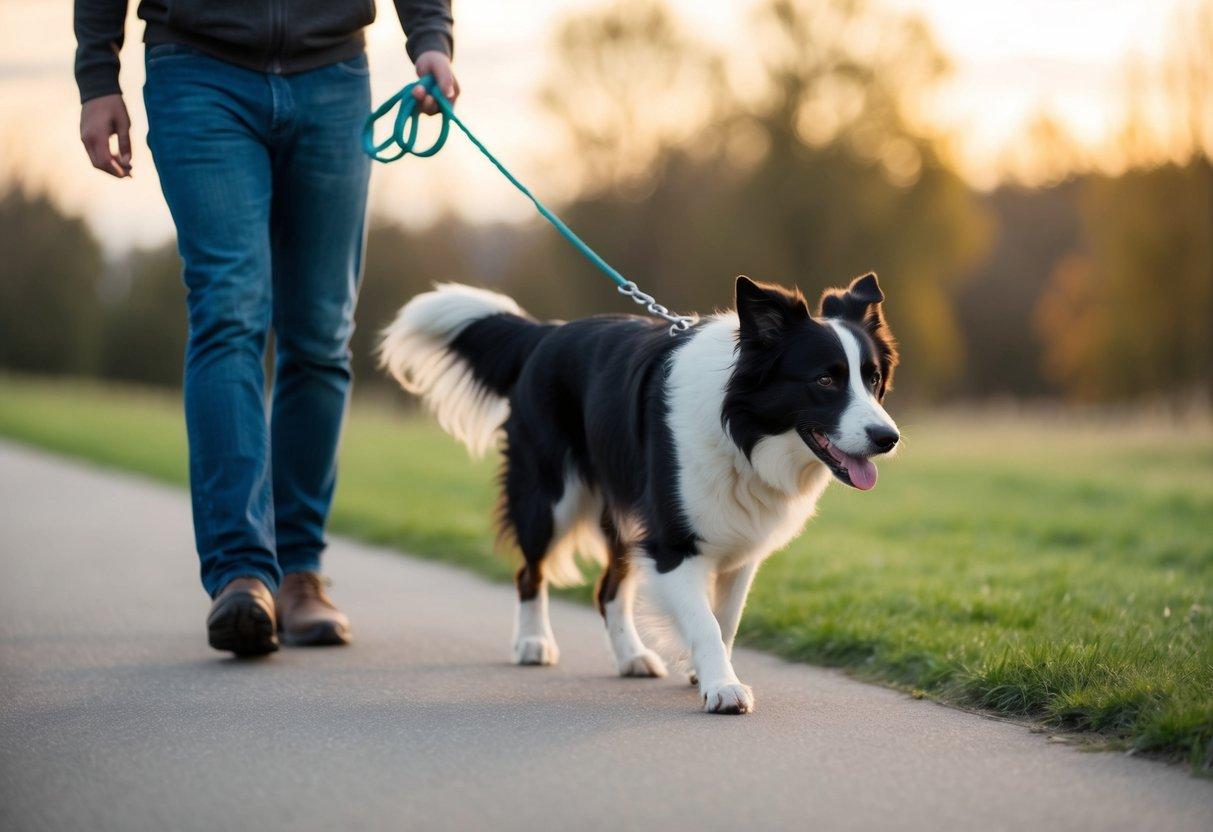
A properly fitted harness and an appropriate leash can help your dog explore comfortably.
In suitable locations, a longer leash may provide additional freedom.
Always follow local leash laws and avoid giving your dog enough slack to enter roads or approach unfamiliar animals without permission.
Step 3: Let Your Dog Set a Comfortable Pace
For part of the walk, allow your dog to slow down and investigate scents.
Avoid constantly urging them forward.
You don't need to surrender control of safety. The aim is to offer reasonable choices within safe boundaries.
Step 4: Allow Time for Interesting Smells
If your dog stops to sniff a tree or patch of grass, give them a little time.
Watch their body language.
If they appear comfortable and engaged, allow the investigation to continue.
Step 5: Introduce a “Go Sniff” Cue
You can teach your dog that a particular phrase signals permission to explore.
Say “Go sniff!” before allowing access to a safe, interesting area.
With repetition, the cue may become a useful part of your walking routine.
Step 6: Mix Exploration With Gentle Training
Sniffing and leash training can work together.
Reward your dog for walking with a loose leash, then allow a sniff break.
This teaches your dog that staying connected with you can lead to opportunities for exploration.
Step 7: Finish Before Your Dog Becomes Overwhelmed
Watch for signs of fatigue, stress, or overstimulation.
Not every dog enjoys every environment.
A shorter, enjoyable outing is preferable to a long walk that leaves your dog distressed.
Should I Let My Dog Sniff Everything?
Allowing sniffing is generally beneficial, but safety comes first.
Avoid letting your dog investigate dangerous substances, discarded food, sharp objects, unknown chemicals, or potentially harmful waste.
Be especially cautious in areas where pesticides, rodenticides, or other toxic products may be present.
If your dog repeatedly tries to eat objects found outdoors, consult your veterinarian about the behavior and possible risks.
Sniffing and eating are not the same activity, and you can encourage one while preventing the other.
Why Does My Dog Sniff Other Dogs' Urine?
Urine marking is one way dogs leave chemical information in the environment.
Other dogs may investigate these scent marks when exploring an area.
Dogs can detect aspects of chemical signals that humans cannot easily perceive.
However, it is an oversimplification to claim that every sniff reveals a complete personal profile of another dog.
The information available through scent depends on many factors, including the odor source and environmental conditions.
The important point is that sniffing markings is a normal part of canine investigation.
Why Does My Dog Sniff More Than Other Dogs?
Dogs vary considerably in their interest in scents.
Breed history, age, temperament, experience, environment, and current motivation can all influence sniffing behavior.
A Beagle may be particularly interested in following scent trails, while another dog may spend more time watching movement or interacting with people.
Neither pattern automatically indicates a problem.
Pay attention to your dog's normal behavior and overall well-being.
If sniffing changes suddenly or becomes associated with unusual symptoms, speak with your veterinarian.
Five Easy Scent Games to Try at Home
Sniffing enrichment doesn't have to happen outdoors.
1. Find the Treat
Place a few small treats in easy-to-find locations.
Encourage your dog to search for them.
Gradually make the game more challenging as your dog learns.
2. The Towel Search
Loosely fold a towel around a few pieces of your dog's regular food.
Allow your dog to investigate and uncover the food.
Supervise the activity and stop if your dog tries to swallow fabric.
3. Hide a Favorite Toy
Let your dog watch as you hide a familiar toy nearby.
Encourage them to find it using their senses.
4. Create a Simple Scent Trail
Place a short trail of dog-safe treats across a clean indoor surface.
Allow your dog to follow the trail at their own pace.
5. Try a Snuffle Mat
A snuffle mat allows dogs to search for food hidden among fabric strips.
Choose a well-made, appropriately sized mat and supervise use.
Account for treats within your dog's daily food allowance.
When Could Excessive Sniffing Be a Concern?
Frequent sniffing during walks is usually normal.
However, sudden or unusual changes deserve attention.
Contact your veterinarian if sniffing is accompanied by:
- Persistent sneezing or nasal discharge.
- Difficulty breathing.
- Pawing repeatedly at the nose.
- Signs of pain or distress.
- Abrupt changes in behavior.
- Persistent attempts to eat nonfood objects.
A veterinarian can help determine whether there is an underlying health or behavioral issue.
Frequently Asked Questions
Why does my dog sniff every tree during walks?
Trees and other landmarks may carry scent marks from animals. Your dog may be investigating new or familiar odors left in the area.
Is it better to let dogs sniff or keep them walking?
Both sniff-focused exploration and regular physical exercise can be beneficial. A balanced routine can include opportunities for each.
Can sniffing help an anxious dog?
Safe, enjoyable scent activities may support enrichment and relaxation for some dogs. However, sniffing is not a substitute for veterinary care or a structured behavior plan when a dog has significant anxiety.
Why does my dog take so long to sniff one spot?
Your dog may be investigating a complex or particularly interesting odor. The exact reason usually cannot be determined from observation alone.
Do all dog breeds enjoy sniff walks?
Most dogs can benefit from appropriate opportunities to explore scents, although preferences and physical abilities vary.
Can I use sniffing as a reward during leash training?
Yes. Allowing access to an interesting smell can be a useful reward for walking with a loose leash.
Is a 20-minute sniff walk enough exercise?
It depends on the dog's age, health, fitness, breed, and daily routine. A sniff walk can provide valuable enrichment, but some dogs need additional physical activity.
Final Thoughts: Let Your Dog Experience the World Through Their Nose
The next time your dog stops to sniff a tree for what feels like the hundredth time, remember that the experience may be far more interesting to them than it appears to you.
For dogs, scent is a major source of information, exploration, and enrichment.
A walk doesn't always have to be measured by speed, distance, or the number of steps completed.
Sometimes, giving your dog time to investigate the world is one of the simplest ways to make an ordinary day more rewarding.
So on your next walk, consider slowing down.
Your dog may have something fascinating to discover.
Sources and Further Reading
- American Kennel Club — Why Sniff Walks Are So Good for Your Dog: https://www.akc.org/expert-advice/health/is-sniffing-a-dog-s-version-of-social-media/
- VCA Animal Hospitals — Mental Stimulation for Dogs: Sniffing Walks: https://vcahospitals.com/resources/preventive-dog/weight-exercise/sniffing-walks-for-dogs
- Dogs Trust — Enrichment Activities to Keep Your Dog Entertained: https://www.dogstrust.org.uk/dog-advice/life-with-your-dog/enrichment/enrichment-activities-for-dogs
- VCA Animal Hospitals — Dog Behavior and Training: Play and Exercise: https://vcahospitals.com/know-your-pet/dog-behavior-and-training---play-and-exercise