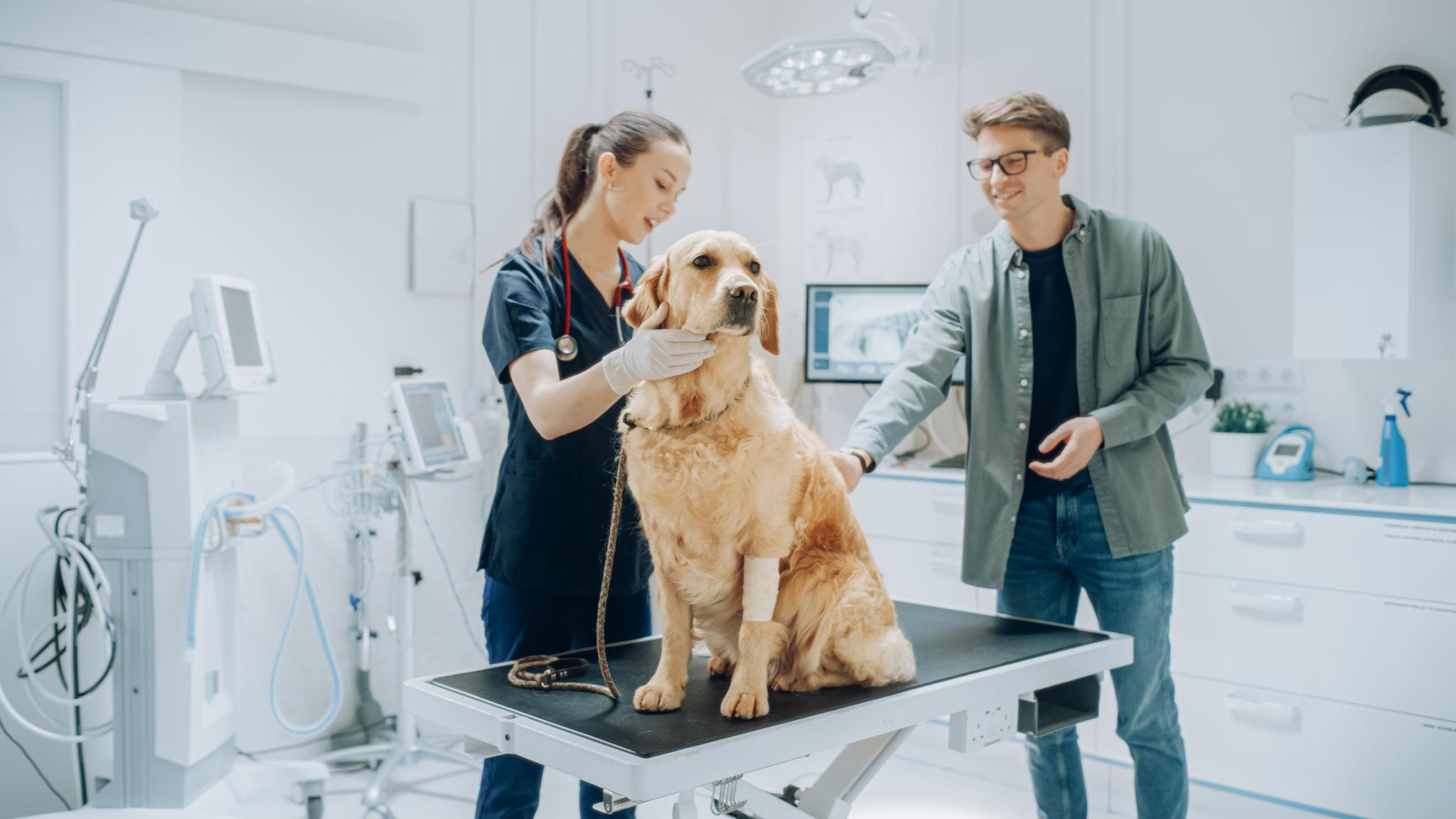
Is Pet Insurance Worth It in 2026? What Dog Owners Need to Know
A trip to the veterinarian can start with a simple concern and end with an unexpected bill. An X-ray, blood tests, emergency treatment, or surgery can cost hundreds or even thousands of dollars. For many dog owners, this raises an important question: is pet insurance worth the monthly expense?
Pet insurance can help cover certain veterinary costs, but it is not a perfect solution for every household. The value depends on your dog's age, health history, breed, your savings, and the details of the policy you choose.
Before signing up, here's what every dog owner should understand about pet insurance in 2026.
Why Are More Pet Owners Looking Into Insurance?
Pet insurance has become an increasingly important part of the conversation about responsible pet ownership in the United States.
The North American Pet Health Insurance Association reported that 7.6 million pets were insured across North America at the end of 2025. Its June 2026 industry update also reported continued growth in the market.
This does not mean every pet needs insurance. It does show that more owners are considering ways to manage the financial risks of unexpected veterinary care.
For households already balancing food, grooming, routine checkups, medications, and other expenses, an unexpected emergency can be difficult to absorb. Insurance is one possible way to prepare for those costs.
How Does Pet Insurance Work?
Pet insurance generally works differently from human health insurance in the United States.
With many policies, you pay the veterinarian first and then submit a claim to your insurance provider. If the treatment is covered, the company reimburses an agreed percentage of eligible expenses after you meet your deductible.
Policies vary, but three common types are worth understanding.
1. Accident-Only Coverage
Accident-only plans generally focus on unexpected injuries, such as certain fractures, bite wounds, or injuries caused by accidents.
These plans may cost less than broader coverage, but they generally do not cover illnesses. That limitation is important because dogs can develop medical conditions that have nothing to do with an accident.
2. Accident and Illness Coverage
Accident-and-illness plans can cover eligible treatment for both injuries and illnesses, subject to the policy's terms.
Depending on the plan, covered conditions may include certain infections, digestive problems, diagnostic tests, and other unexpected medical issues.
However, not every treatment or condition is automatically covered. Exclusions, waiting periods, benefit limits, and reimbursement rules differ between providers.
3. Wellness or Preventive Care Add-Ons
Some insurers offer optional wellness benefits for services such as routine examinations, vaccinations, or preventive treatments.
These benefits may be sold as add-ons rather than included in a standard accident-and-illness policy. Read the details carefully to determine whether the additional cost makes sense for your dog's routine care.
For an overview of policy types and common exclusions, consult the National Association of Insurance Commissioners' pet insurance guide.
How Much Does Dog Insurance Cost in 2026?
The price depends on factors such as your dog's age, breed, location, the coverage limit, the deductible, and the reimbursement rate.
According to the North American Pet Health Insurance Association's 2026 industry report, the average annual accident-and-illness premium for dogs in the United States was approximately $836 for the 2025 reporting year, or about $70 per month. This is an industry average, not a quote or a prediction of what your own policy will cost.
Your actual premium could be considerably lower or higher.
For example, a young mixed-breed dog and an older dog with a higher-risk medical history may receive very different quotes. Two dogs of the same breed can also have different premiums depending on where they live and the policy selected.
When comparing plans, look beyond the monthly payment. A lower premium may come with a higher deductible, a lower reimbursement rate, or a smaller annual coverage limit.
What Does Pet Insurance Usually Cover?
Coverage depends on the policy, but accident-and-illness plans may help pay for eligible expenses such as:
- Diagnostic tests, including certain blood tests and X-rays.
- Treatment for covered illnesses.
- Emergency care for covered accidents.
- Eligible surgeries and hospital stays.
- Prescription medication related to covered conditions.
- Certain specialist treatments, when included in the policy.
The key phrase is eligible expenses. A treatment being medically necessary does not automatically mean the insurer will reimburse it.
Before enrolling, ask for the policy wording and check how the insurer defines covered treatment, reimbursement, and exclusions.
What Does Pet Insurance Usually Exclude?
This is one of the most important parts of choosing a policy.
Pre-existing conditions
Many pet insurance policies exclude conditions that existed or showed symptoms before coverage began, or during a waiting period.
For example, if your dog has already been diagnosed with a chronic skin condition, a new policy may not cover treatment for that condition. Rules vary, and some insurers make limited exceptions, so ask for the exact terms in writing.
Waiting periods
Coverage may not begin immediately after you purchase a policy. There can be separate waiting periods for accidents, illnesses, or certain orthopedic conditions.
If an injury or illness occurs during an applicable waiting period, the related claim may be excluded.
Routine care
Standard accident-and-illness plans often exclude routine services such as annual checkups, vaccinations, and preventive dental cleanings unless a relevant wellness benefit is included.
Other exclusions and limits
Some policies restrict coverage for hereditary conditions, dental problems, behavioral treatment, breeding-related expenses, or alternative therapies. Others apply annual or per-condition limits.
Never assume that two policies with similar prices provide the same protection. Review the exclusions, limits, and definitions before making a decision.
Is Pet Insurance Worth It for Your Dog?
There is no universal yes-or-no answer. It helps to consider your own circumstances.
It may be worth considering if your dog is young and healthy
Buying coverage while a dog is young may make it easier to obtain protection before certain conditions develop. It does not guarantee that every future condition will be covered, but it can reduce the risk of a new policy excluding an already documented problem.
Read the terms before enrolling, particularly the rules for hereditary conditions and waiting periods.
It may help if an emergency bill would strain your finances
Imagine your dog needs an unexpected procedure costing several thousand dollars. Could you pay the bill without missing rent, using high-interest credit, or depleting money reserved for essential expenses?
If the answer is no, insurance may help manage some of that financial uncertainty, provided the treatment is covered and you can afford the premiums.
It deserves careful consideration for breeds with known health risks
Some breeds are more prone to particular inherited or breed-associated conditions. Research the health risks relevant to your dog's breed and ask your veterinarian which issues are most important to understand.
Then check whether the policy covers those conditions, whether exclusions apply, and whether any additional waiting periods are required.
It may be less attractive if you already have substantial savings
Some owners prefer to build a dedicated emergency fund instead of paying monthly premiums. This approach can work if they can consistently save enough and are comfortable accepting the risk of a large unexpected bill.
However, savings take time to build, and an emergency can happen before the fund is ready. Insurance and savings also serve different purposes: insurance transfers certain covered risks, while savings remain available for any expense but may be insufficient for a major emergency.
How to Compare Pet Insurance Plans
Do not choose a policy based on the advertised monthly price alone. Compare the following details across several providers.
1. Annual deductible
This is the amount you must pay toward eligible expenses before reimbursement begins under the policy's rules. Check whether it applies annually or separately to each condition.
2. Reimbursement percentage
Some plans reimburse a percentage of eligible expenses after the deductible. Understand how the percentage is calculated and whether any fees or limits affect the final amount.
3. Annual coverage limit
A policy may cap the amount it will reimburse in a year. Determine whether the limit is sufficient for the type of care you want to protect against.
4. Exclusions
Read the exclusions carefully. Ask about pre-existing conditions, hereditary issues, dental treatment, prescription medication, rehabilitation, and specialist care if these are important to you.
5. Waiting periods
Find out when coverage begins and whether specific conditions have longer waiting periods.
6. Claims and reimbursement process
Ask whether you pay the veterinarian first, how claims are submitted, which documents are required, and how long reimbursement typically takes.
7. Premium changes
Premiums may change at renewal. Ask how the insurer handles increases as your dog ages and whether rates may change for other reasons.
8. Veterinary choice
Confirm whether you can visit your preferred licensed veterinarian and whether the policy has any network or location restrictions.
For additional consumer guidance, the California Department of Insurance provides questions to consider before purchasing pet insurance.
A Simple Example: How Reimbursement Can Work
Suppose your dog has a covered procedure costing $2,000.
For illustration, imagine your policy has a $250 annual deductible and reimburses 80% of eligible expenses after that deductible. Assume you have not used any of the deductible yet, and the entire procedure is eligible.
- Veterinary bill: $2,000
- Remaining deductible: $250
- Eligible amount after deductible: $1,750
- Illustrative reimbursement at 80%: $1,400
- Your remaining share: $600
In this example, you pay the $2,000 bill upfront and receive $1,400 later if the claim is approved under the policy.
Actual reimbursement can differ because of policy wording, benefit limits, excluded expenses, and the way a deductible is applied. This example is for illustration only, not a quote or a guarantee of coverage.
What If You Decide Not to Buy Insurance?
Insurance is not the only way to prepare for veterinary expenses.
Consider building a dedicated pet emergency fund and setting aside money regularly. Keep routine veterinary appointments, follow your veterinarian's preventive-care recommendations, and learn which health issues may be more common for your dog's age and breed.
You can also ask your veterinary clinic about payment arrangements or available financial assistance before an emergency occurs. Availability varies, so research options in advance rather than relying on them being available when you need them.
The most important thing is to have a realistic plan for unexpected care instead of assuming a major bill will never happen.
Frequently Asked Questions
Is pet insurance worth it for a healthy dog?
It can be, especially if you want help managing the financial risk of unexpected covered illnesses or injuries. The value depends on the premium, exclusions, deductible, coverage limits, and your ability to pay an unexpected bill.
Can I get pet insurance after my dog has been diagnosed with a condition?
You may still be able to buy a policy, but the existing condition may be excluded. Rules differ by insurer and policy, so request a written explanation of how the condition will be treated before enrolling.
Does pet insurance cover vaccinations and annual checkups?
Standard accident-and-illness policies often do not cover routine preventive care. Some insurers offer wellness benefits as an optional add-on. Check the policy details to see exactly which services qualify.
Do I have to use a specific veterinarian?
Many policies allow you to visit licensed veterinarians, but restrictions can vary. Confirm whether your preferred clinic and any specialist you may need are eligible under the policy.
Should I insure my dog or save the money myself?
That depends on your budget, emergency savings, and tolerance for financial risk. Insurance may help with eligible unexpected expenses, while savings can be used for a wider range of costs but may not be large enough when an emergency occurs.
Final Thoughts
Pet insurance can be a useful financial tool, but the right decision depends on your dog and your household budget.
Compare policies carefully, understand exclusions and waiting periods, and calculate what you would still have to pay after reimbursement. If you choose not to buy insurance, consider creating a dedicated emergency fund and planning for unexpected veterinary expenses.
A good decision is not necessarily the policy with the lowest monthly premium. It is the plan that fits your finances and gives you a realistic way to prepare for your dog's future care.
Editorial note: This article provides general educational information, not financial, legal, or veterinary advice. Insurance terms and availability vary by provider and state. Always review the policy documents and confirm coverage directly with the insurer.