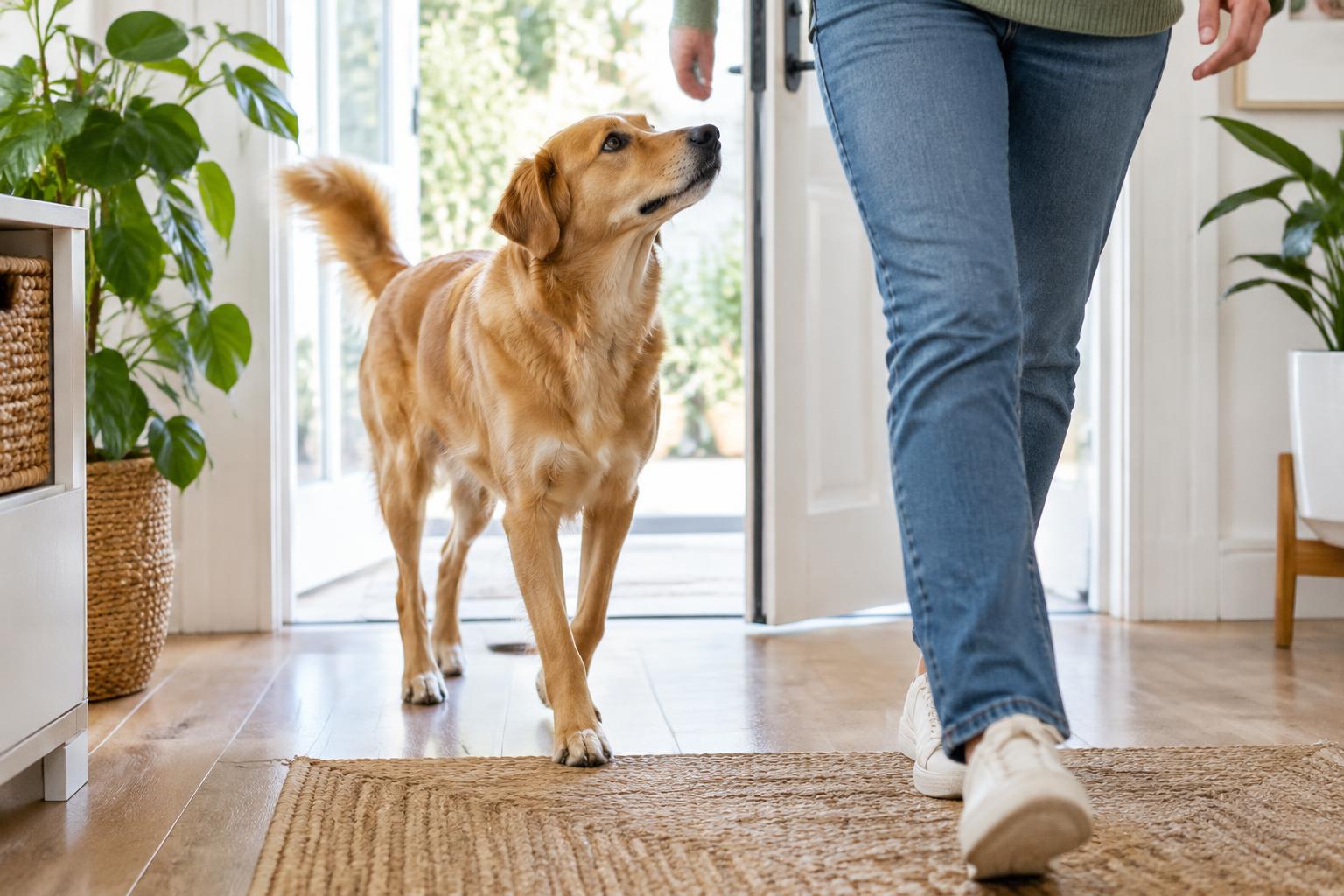
You get up for a glass of water. Your dog gets up too. You head down the hallway, and there they are again: your loyal little shadow. It can be sweet, inconvenient, or worrying—especially when it is new.
The short answer: dogs may follow their owners for company, reassurance, attention or access to something they need. Following you does not, by itself, mean your dog has separation anxiety. The more useful question is whether they can relax when you are not beside them.
This guide draws on dog-welfare and veterinary resources rather than diagnosing an individual dog.
Why does my dog follow me everywhere?
According to Dogs Trust's guide to following behaviour, following is often an ordinary part of living with a social animal. Several explanations can overlap.
1. You are good company
Your presence may help your dog feel comfortable and confident. A dog who follows you into another room, then lies down with a relaxed body, may simply enjoy being near you. You do not need to stop every affectionate interaction to teach independence.
2. Following has paid off before
If getting up often leads to a walk, a meal or a scratch behind the ears, your movements become interesting. Attention can reinforce a following habit without either of you planning it.
Notice the context. Does your dog mainly follow you toward the kitchen or around the usual walk time? That pattern is different from appearing unable to rest anywhere without you.
3. Your dog needs something
Before treating following as a training problem, check ordinary needs: fresh water, a toilet break, a comfortable resting place and appropriate activity. Dogs cannot tell us in words that they need to go outside.
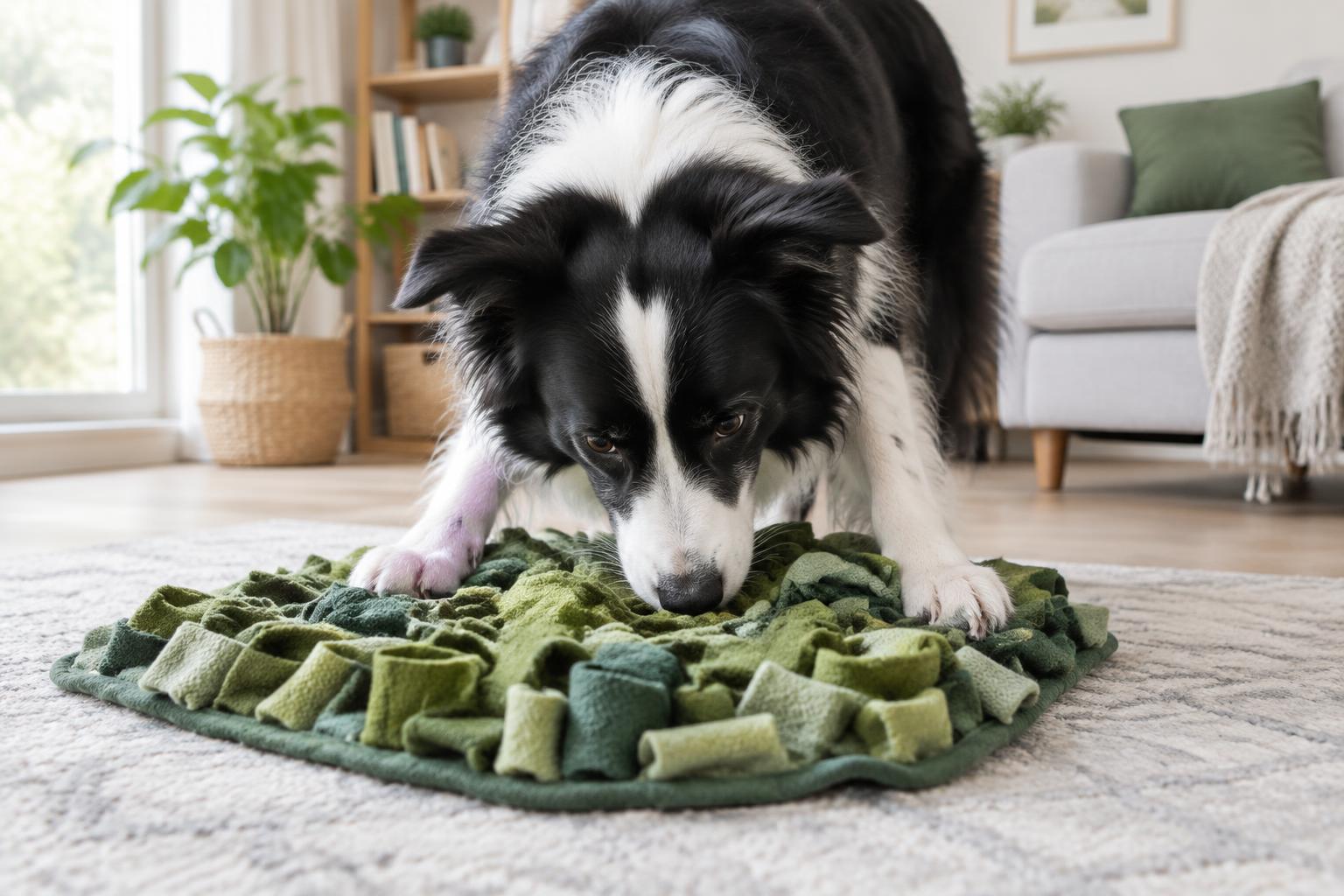
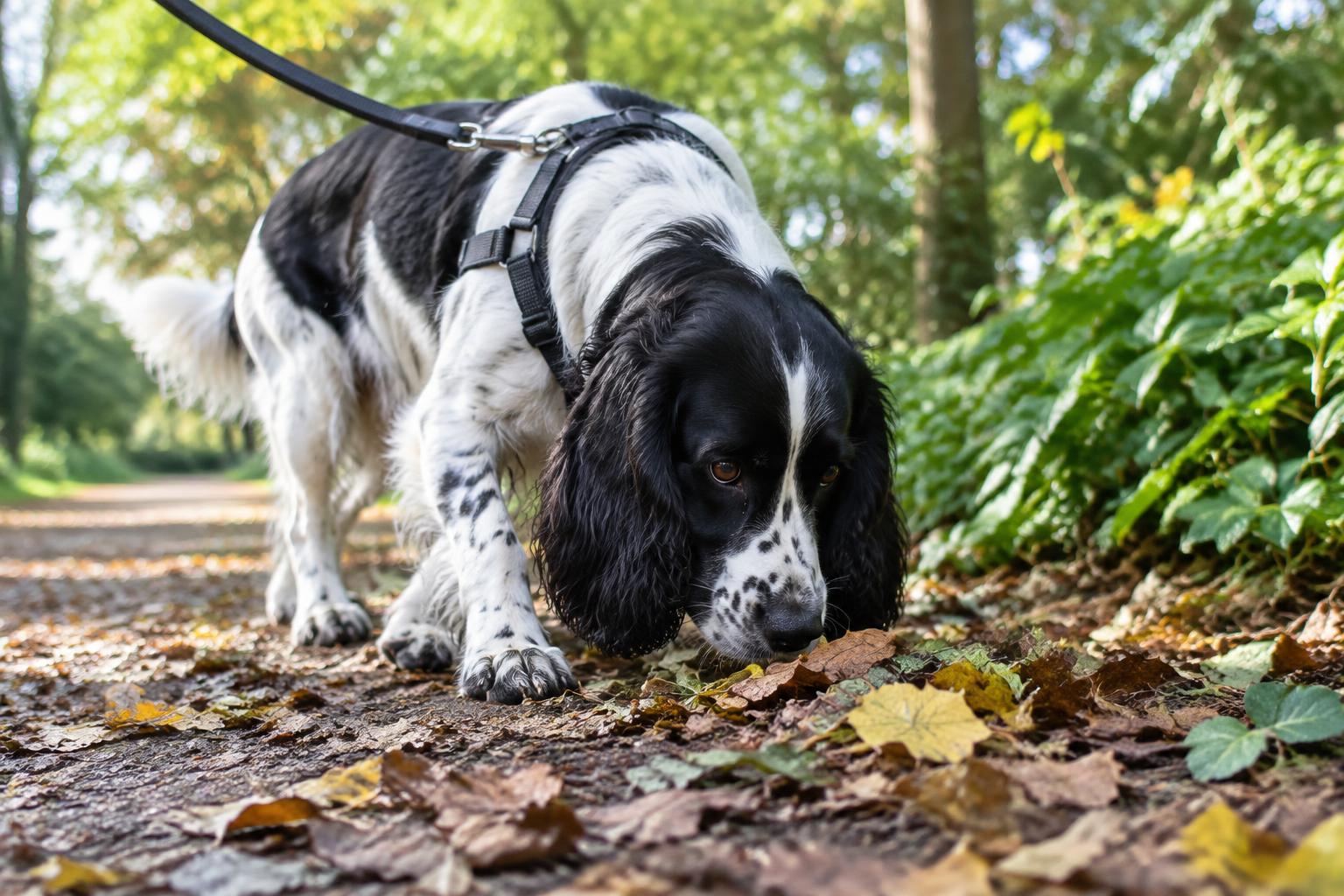
Our enrichment guide offers gentle ways to add sniffing, simple food puzzles and rest to the day. More exercise is not automatically the answer to every behaviour concern.
4. Something has changed
A move, an unfamiliar visitor or a different daily schedule can leave a dog looking for reassurance. They may also be unsure where to settle. Give them a quiet, comfortable resting spot and make daily life as predictable as practical.
5. Feeling unwell may change behaviour
New or unusual clinginess deserves attention, particularly alongside changes in appetite, drinking, toileting, sleep or movement. Dogs Trust advises a veterinary check when following starts suddenly or seems out of character. Do not assume a new habit is just affection or stubbornness.
A “Velcro dog” is not a diagnosis
“Velcro dog” is a nickname for a dog who stays close, not a medical label. It does not tell you why the behaviour happens or how your dog feels when alone.
| What you observe | What to consider |
|---|---|
| Follows you, then rests comfortably | Companionship or a learned habit may explain it |
| Follows mainly around meals or walks | Check the routine and everyday needs |
| Suddenly stays much closer than usual | Ask your vet about the change, especially with other symptoms |
| Paces, vocalizes or panics when separated | Seek help for possible separation-related distress |
These are clues for observation, not a home diagnostic test. A quiet dog is not necessarily a relaxed dog, and damaged furniture alone does not prove separation anxiety.
How can I tell if my dog struggles when alone?
Look at what happens around departures and during time apart, not only whether your dog follows you at home. The RSPCA describes separation-related signs including barking or howling, pacing, panting, trembling, destruction, indoor toileting and signs of anxiety before departure. Some dogs refuse food or show subtler signs; severe distress may involve self-injury.
A safely placed camera can help you see behaviour you would otherwise miss. Review body language and whether your dog settles, rather than counting noise alone. Do not deliberately leave a distressed dog for longer just to collect footage.
If your dog struggles, contact your veterinarian. A veterinary assessment can investigate health factors and help you find suitable behaviour support. Dogs Trust's separation-anxiety guidance explains why gradual, individualized support matters.
Help your dog feel comfortable without pushing them away
The goal is not to make your dog stop loving your company. It is to help them feel safe when being close is not possible.
Make resting nearby rewarding
Place a comfortable bed in a calm spot, initially near you. Reward your dog when they choose to rest there. Keep the experience low-pressure: the bed should not become somewhere they are sent as punishment.
Offer an alternative activity
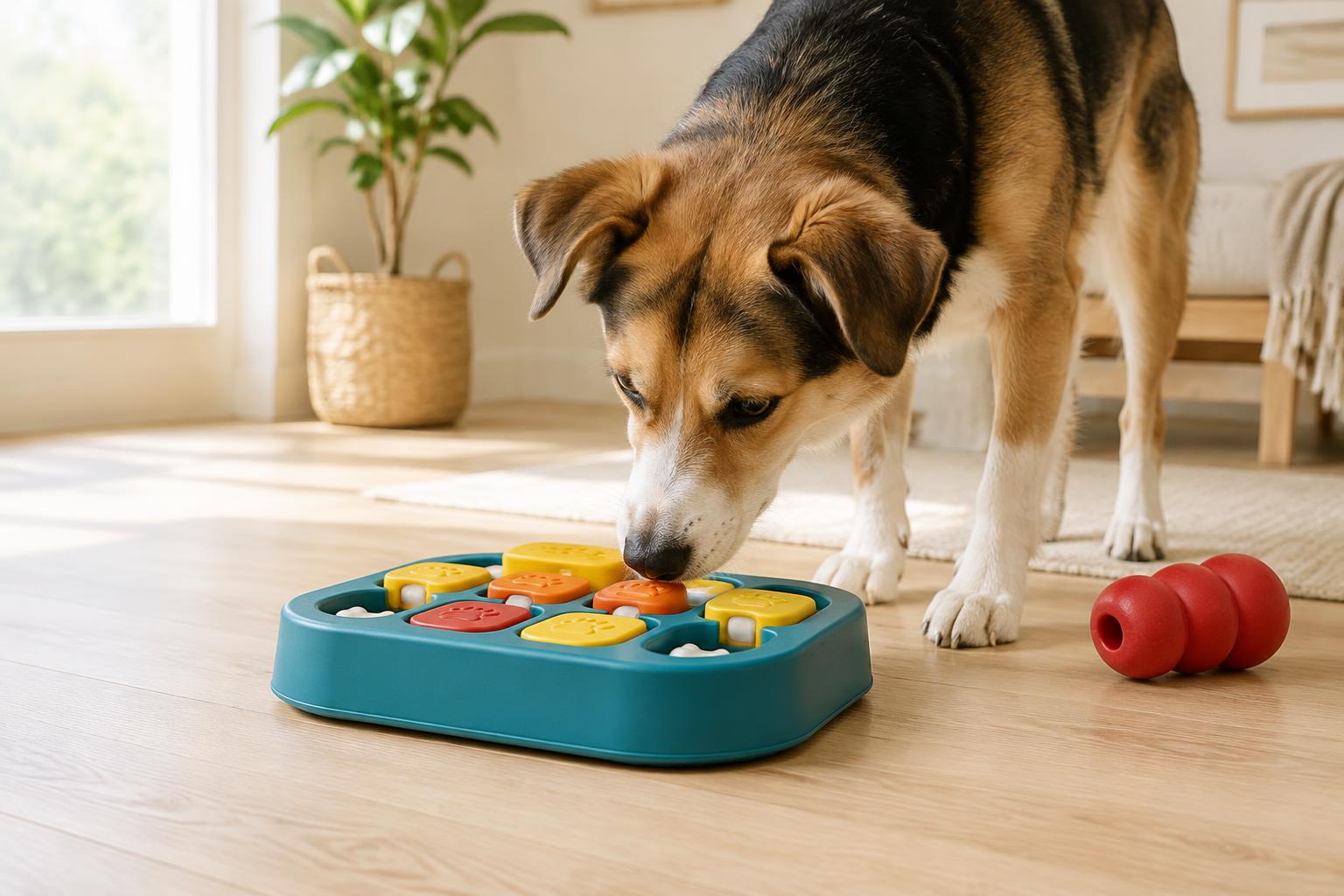
A suitable food toy can give a relaxed dog something to do while you are nearby. Choose the size and difficulty carefully, supervise new toys and count food rewards toward the daily allowance. Our puzzle-toy buying guide covers safety and cleaning.
A toy is not a treatment for panic. If your dog cannot engage with food during separation, do not simply buy a harder puzzle or leave them for longer.
Practise tiny, comfortable changes
Start with the level of distance your dog can already handle calmly. That might be shifting in your chair or taking a step away while they rest. Build gradually only while they remain comfortable. If they become worried, make the next attempt easier rather than forcing them through it.
There is no universal number of minutes that works for every dog. A dog showing separation-related distress needs an individual plan; arrange practical help to avoid separations they cannot cope with while you seek professional support.
Skip punishment and “cry it out”
Do not scold your dog for following, frighten them away or punish damage discovered after an absence. Merck Veterinary Manual's behaviour-modification guidance supports reward-based methods and warns that punishment can increase fear and avoidance.
Common questions
Why does my dog follow me into the bathroom?
Moving into another room may be enough to attract a dog who likes your company or anticipates attention. The destination alone does not reveal a special motive. Notice whether your dog can relax when a door separates you; distress matters more than the room itself.
Does following mean my dog has separation anxiety?
No. Following alone is not enough to establish that. Watch how your dog copes with being apart, and ask your vet for guidance if you see distress.
Should I ignore a clingy dog?
Withholding all affection is not a substitute for understanding the cause. Meet ordinary needs, reward calm settling and make changes gradually. Sudden clinginess or distress deserves veterinary advice, not a blanket rule to ignore your dog.
Will my dog grow out of it?
There is no reliable promise or timeline. Age, learning, health and circumstances all matter. If your dog is struggling, seek help rather than waiting for the problem to disappear.
The takeaway
A happy little shadow and a dog who cannot cope alone can look similar while you are at home. Pay attention to relaxation, changes from your dog's normal behaviour and what happens during time apart. Build confidence gently—and get professional help when distress or a sudden change is involved.
References and further reading
- Dogs Trust: Why your dog follows you
- Dogs Trust: Separation anxiety in dogs
- RSPCA: Recognising separation-related behaviour and anxiety
- Merck Veterinary Manual: Behavior modification in dogs
- Merck Veterinary Manual: Diagnosing behavior problems in dogs
Sources consulted October 19, 2026. Cover image generated with AI for illustration.
Educational information only; not a diagnosis or an individualized treatment plan. Contact your veterinarian about sudden behaviour changes, signs of illness or distress when your dog is left alone.