Coton de Tulear History: The Story Behind Madagascar’s Fluffy White Dog
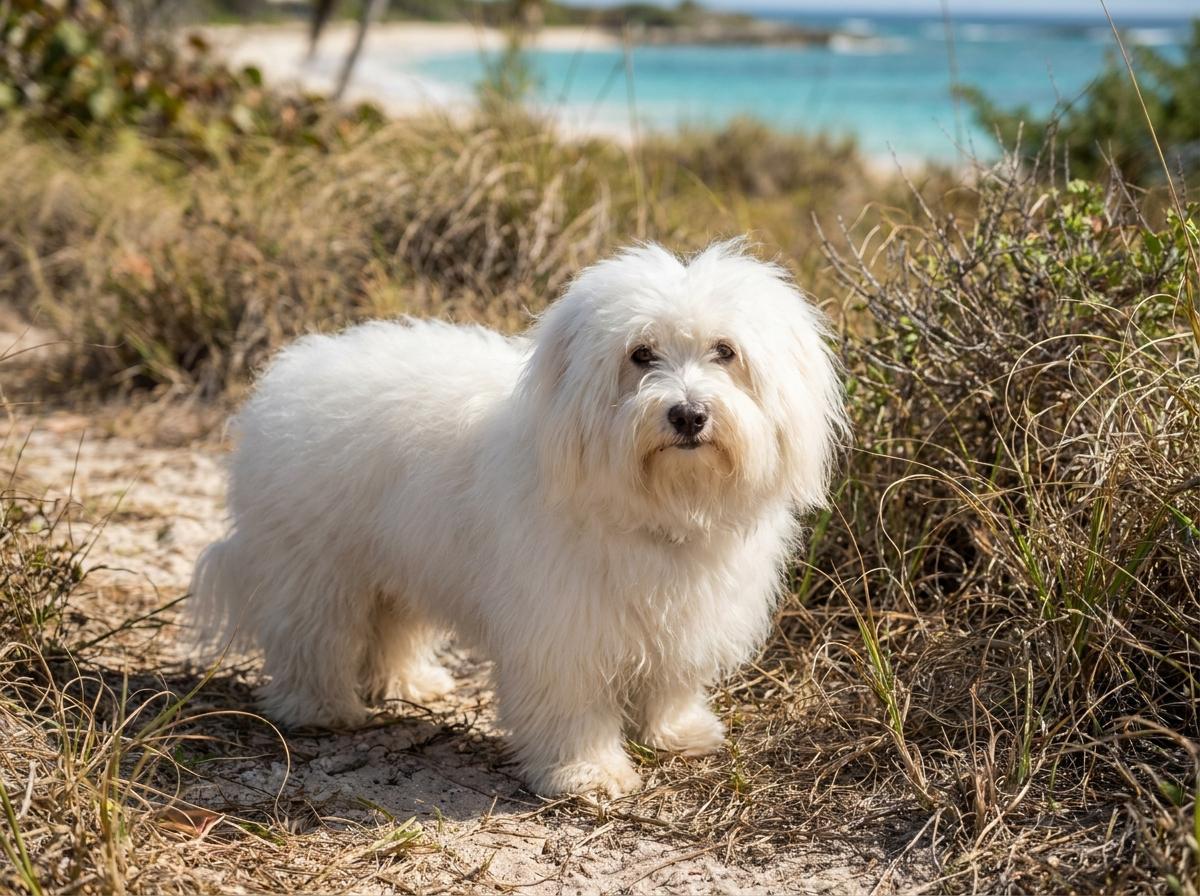
At first glance, the Coton de Tulear looks more like a living stuffed animal than a dog with a fascinating past. Its fluffy white coat, dark eyes, and cheerful expression have earned it comparisons to a walking cotton ball. But behind that adorable appearance lies a story connected to the island of Madagascar, royal households, and legends that have been passed down for generations.
The Coton de Tulear is a small companion dog whose history is not completely understood. Some parts of its story are documented, while others remain theories or folklore. That mixture of history and mystery is precisely what makes this breed so interesting.
So, how did this little white dog become known as the Royal Dog of Madagascar? And what is the truth behind the famous shipwreck story?
Where Does the Coton de Tulear Come From?
The Coton de Tulear originated in Madagascar, an island nation in the Indian Ocean off the southeastern coast of Africa. The breed takes its name from two distinctive features: its cotton-like coat and Tulear, the French name historically used for the coastal port now known as Toliara.
The word coton means “cotton” in French, an apt description of the breed’s soft, fluffy coat.
Madagascar has a long history of maritime trade and contact with travelers from different parts of the world. Because of these connections, one widely discussed theory is that small European companion dogs reached the island by ship and eventually contributed to the development of the Coton de Tulear.
However, the precise ancestry of the modern breed is not fully established. Although stories about its arrival are compelling, they should not be confused with a complete, proven record of its origins.
The Fédération Cynologique Internationale (FCI), the international canine organization that maintains breed standards, officially lists Madagascar as the breed’s country of origin.
The Shipwreck Legend: Did These Dogs Swim to Madagascar?
One of the most memorable stories about the Coton de Tulear involves a shipwreck.
According to popular breed folklore, a ship carrying small white dogs sank near the coast of Madagascar centuries ago. The story says that some of the dogs survived by swimming to shore. Their fluffy coats supposedly helped them stay afloat, allowing them to reach land and begin a new chapter on the island.
It is a dramatic image: a group of little white dogs battling the waves before arriving on a tropical coastline.
But there is an important distinction between an entertaining legend and verified history. There is no conclusive evidence establishing this shipwreck story as the actual origin of the breed. It is best understood as folklore that has become part of the Coton de Tulear’s identity.
The story has endured partly because it gives the breed an adventurous beginning. It also contrasts with the dog’s present-day reputation as an affectionate household companion.
The real history may be less dramatic, but it remains fascinating. Madagascar’s maritime connections provide a plausible context for the arrival of dogs from elsewhere, even if the exact journey that produced the modern Coton is uncertain.
How the Coton Became the Royal Dog of Madagascar
The Coton de Tulear is often called the “Royal Dog of Madagascar” because of its association with the island’s Merina monarchy.
Historical accounts and breed histories describe small white dogs becoming favored companions among members of the Malagasy royal and noble classes, particularly during the nineteenth century. Their attractive appearance and companionable nature helped make them desirable in elite households.
Some accounts also report that ownership was once restricted among ordinary people. Because the details are not equally well documented across all sources, such claims should be treated cautiously rather than presented as a universally established law.
Even so, the breed’s royal association became an important part of its reputation. The Coton was no longer just a small white dog; it was a distinctive companion linked to status and prestige.
This royal connection also helps explain why the breed is sometimes described as a national canine symbol of Madagascar. Its identity became closely tied to the island where it developed.
From Madagascar to the Rest of the World
For many years, the Coton de Tulear remained much less familiar internationally than breeds such as the Poodle or French Bulldog.
Its journey beyond Madagascar gathered momentum as the dog was introduced to Europe, particularly France. According to the Fédération Cynologique Internationale, the breed was introduced in France before receiving definitive recognition from the organization in 1970.
From there, the Coton gradually attracted attention among dog enthusiasts in other countries.
In the United States, dedicated breeders and breed clubs helped establish the Coton’s presence. The American Kennel Club officially recognized the breed in 2014, bringing it into the organization’s recognized breed community.
Today, the Coton de Tulear is known internationally as a companion dog. Its history has traveled with it, including the nickname “Royal Dog of Madagascar” and the legends surrounding its early ancestry.
What Makes the Coton de Tulear So Distinctive?
The Coton’s appearance is one of its most recognizable features, but there is more to the breed than a fluffy coat.
1. A Coat That Resembles Cotton
The breed’s long, soft coat is the feature that inspired its name. The traditional breed standard describes a white coat with a cotton-like texture.
Although the coat may look effortless, it requires regular care. Brushing helps prevent tangles and mats, particularly when the hair is long. Owners should learn a suitable grooming routine and consult a professional groomer when needed.
2. A Small but Sturdy Companion
The Coton de Tulear is a small dog bred primarily for companionship. Its compact size can make it suitable for many living environments, including apartments, provided it receives appropriate exercise, attention, and enrichment.
Small does not mean that a dog has no need for activity. Daily walks, play, and opportunities to explore remain important for physical and mental well-being.
3. A Cheerful and Social Personality
Breed standards describe the Coton as lively, intelligent, and sociable. Individual dogs will still vary according to genetics, early experiences, training, and their environment.
Many owners are drawn to the breed because it enjoys human company and can be an engaging family companion. Like any dog, a Coton benefits from positive reinforcement, gentle handling, and gradual socialization.
4. A Coat That Requires More Care Than It Suggests
The Coton’s soft appearance can give the impression that grooming is simple. In reality, its coat may become tangled without regular maintenance.
Before choosing the breed, prospective owners should consider the time and cost involved in brushing, bathing, coat maintenance, and professional grooming if required.
Is the Coton de Tulear a Good Family Dog?
The Coton de Tulear can be a wonderful companion for households that have time to provide attention, training, grooming, and daily activity.
Its friendly reputation makes it appealing to many families, but no breed is automatically the perfect fit for every home. A dog’s temperament depends on more than its breed name.
Families with young children should teach them how to interact respectfully with dogs. Because the Coton is small, rough handling or accidental falls can cause injury. Children and dogs should be supervised together, even when the dog appears patient and relaxed.
Prospective owners should also think about how long the dog will be left alone. A companion breed that enjoys human company may struggle if its daily routine involves extended periods without interaction. Gradual alone-time training and appropriate enrichment can help, but each dog’s needs should be assessed individually.
If you are considering bringing a Coton de Tulear home, look for a responsible breeder or a reputable rescue organization. Ask about health screening, temperament, early socialization, and the care required throughout the dog’s life.
The Coton de Tulear’s History: Facts vs. Folklore
The breed’s past becomes easier to understand when documented information is separated from popular stories.
What is documented?
- The Coton de Tulear’s recognized country of origin is Madagascar.
- Its name refers to its cotton-like coat and the historic port name Tulear.
- The breed became associated with royal and noble households in Madagascar.
- The FCI granted the breed definitive recognition in 1970.
- The American Kennel Club recognized the breed in 2014.
What remains uncertain?
- The exact sequence of events that led to the breed’s development.
- The precise identity and combination of dogs that contributed to its ancestry.
- Whether the famous shipwreck story reflects a real historical event.
This distinction does not make the breed’s story less interesting. Instead, it shows how canine history can combine documented events, evolving traditions, and legends that cannot be independently verified.
Why the Coton de Tulear’s Story Still Matters
The Coton de Tulear is a reminder that the history of a dog breed is about more than appearance. Geography, human travel, social traditions, and changing lifestyles all help shape the dogs that share our homes today.
From its origins in Madagascar to its recognition by international kennel organizations, the Coton has moved from a relatively unfamiliar island breed to a companion appreciated by dog lovers around the world.
Its shipwreck legend may never be proven, but its connection to Madagascar is an established part of its identity. And its royal nickname continues to capture the imagination of people discovering the breed for the first time.
Perhaps that is the Coton de Tulear’s greatest appeal: it looks like a little cloud, has a history filled with unanswered questions, and reminds us that even the smallest dogs can have stories that reach across continents and centuries.
Frequently Asked Questions
Why is the Coton de Tulear called the Royal Dog of Madagascar?
The breed became associated with Madagascar’s Merina monarchy and noble households. This historical connection gave rise to its well-known royal nickname.
Did the Coton de Tulear really survive a shipwreck?
A popular legend says that small white dogs survived a shipwreck near Madagascar and swam ashore. However, this account has not been conclusively established as the breed’s true origin.
What does Coton de Tulear mean?
“Coton” is the French word for cotton, referring to the dog’s soft coat. “Tulear” refers to the historic name of a port city in Madagascar, now called Toliara.
When was the Coton de Tulear officially recognized?
The Fédération Cynologique Internationale granted the breed definitive recognition in 1970. The American Kennel Club recognized it in 2014.
Is the Coton de Tulear easy to groom?
Its coat requires regular maintenance to prevent tangles and mats. Prospective owners should be prepared for frequent brushing and, depending on coat length and condition, professional grooming.
Is the Coton de Tulear suitable for apartment living?
Its small size can suit apartment living, but it still needs daily activity, companionship, training, and mental enrichment. The suitability of any dog depends on its individual needs and the owner’s lifestyle.
Final Thoughts
The Coton de Tulear’s history brings together a real connection to Madagascar, an association with royalty, and a shipwreck legend that remains part of canine folklore. While not every detail of its ancestry is known, the breed’s journey from Madagascar to homes around the world is a compelling story in its own right.
If you enjoy discovering the origins of unusual dog breeds, the Coton de Tulear is a wonderful reminder that behind every familiar face may be a much older story waiting to be explored.
Sources and Further Reading
- American Kennel Club — Coton de Tulear History: Madagascar’s Feral, Fluffy Dogs
- Fédération Cynologique Internationale — Coton de Tulear Breed Information
- American Kennel Club — Coton de Tulear Breed Information
- The Royal Kennel Club — Coton de Tulear Breed Standard