Separation Anxiety in Dogs: 10 Signs, Common Causes, and How to Help
You pick up your keys, put on your shoes, and head toward the front door.
Suddenly, your dog starts following you everywhere.
Maybe they whine, pace around the room, or stare at you with an expression that makes leaving the house feel impossible.
And when you return, you discover scratched doors, chewed furniture, or complaints from neighbors about nonstop barking.
If this sounds familiar, you may be wondering: Does my dog have separation anxiety?
Separation anxiety in dogs is a genuine behavioral and welfare concern. Some dogs experience significant distress when separated from their owners or left alone, even for relatively short periods.
But not every dog that barks, chews, or follows its owner has separation anxiety.
Understanding the difference is essential.
In this guide, we'll explore ten possible signs of separation-related distress, what may contribute to the problem, and practical ways to help your dog feel safer when alone.
What Is Separation Anxiety in Dogs?
Separation anxiety is a condition in which a dog experiences anxiety or distress associated with separation from an important person or being left alone.
Dogs are social animals, and many naturally prefer human company.
However, a dog that enjoys companionship is not necessarily experiencing anxiety.
The difference lies in the intensity and nature of the dog's response.
A dog that briefly watches you leave and then settles comfortably is behaving very differently from one that panics, attempts to escape, or vocalizes persistently.
Veterinary and animal welfare organizations often use the broader term separation-related behaviors because similar outward signs can have different causes.
For example, a dog might bark when alone because of outdoor noises, frustration, boredom, or distress associated with separation.
Identifying the cause is the first step toward appropriate support.
10 Signs of Separation Anxiety in Dogs
The following behaviors may indicate separation-related distress, particularly when they occur during departures or while the dog is alone.
No single sign establishes a diagnosis.
1. Persistent Barking or Howling
Some dogs bark, whine, or howl repeatedly after their owners leave.
Unlike occasional barking at a passing car or neighborhood noise, separation-related vocalization may continue for extended periods or occur repeatedly throughout an absence.
A recording can help determine whether the barking begins immediately after departure or follows another event.
2. Destructive Chewing Near Doors or Windows
A distressed dog may scratch doors, chew door frames, damage window coverings, or attempt to escape.
This behavior is sometimes mistakenly described as revenge.
Dogs are not deliberately destroying furniture to punish their owners for leaving.
In severe cases, escape attempts can cause broken teeth, injured paws, or other serious harm.
3. Pacing or Restlessness
Some dogs repeatedly walk between rooms, circle, or pace near the door.
Others may move from window to window, apparently monitoring the environment.
Persistent movement can indicate that the dog is struggling to settle.
4. Excessive Panting or Drooling
Panting and drooling may occur during stress, even when the dog has not been exercising.
However, these signs can also have medical or environmental causes.
Sudden, severe, or unexplained panting requires veterinary attention.
5. House-Training Accidents
A previously house-trained dog may urinate or defecate indoors during an absence.
Anxiety is one possible explanation, but medical conditions, inadequate bathroom opportunities, and other factors must be considered.
Never punish a dog for an accident discovered after returning home.
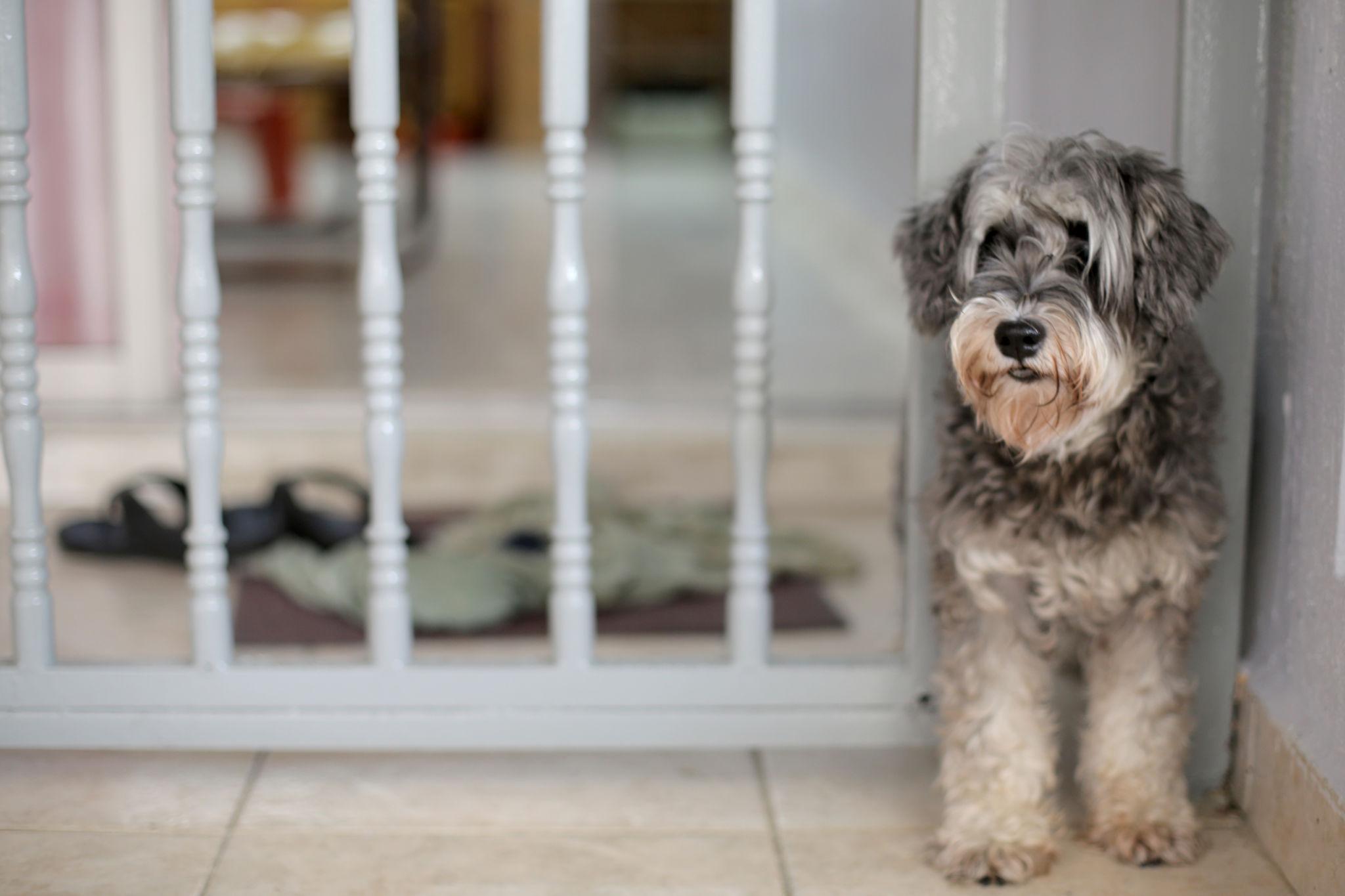
6. Distress Before You Leave
Some dogs become visibly anxious when they notice departure-related cues.
Picking up keys, putting on a coat, or preparing a work bag may trigger pacing, whining, or attempts to block the door.
These reactions may develop when the dog learns that certain events predict being left alone.
7. Difficulty Settling or Sleeping Alone
A dog experiencing separation-related distress may remain alert instead of resting.
They might repeatedly return to the entrance, move between resting places, or appear unable to relax.
8. Refusing Food or Favorite Toys
Some dogs become so distressed when alone that they ignore food, treats, or toys they normally enjoy.
A food puzzle that works well when the owner is home may remain untouched during an absence.
This can be a useful clue, although appetite changes can also have medical causes.
9. Escape Attempts
A severely distressed dog may try to force its way through doors, windows, or barriers.
These situations can become dangerous.
Dogs that injure themselves or attempt risky escapes need prompt veterinary and behavioral support.
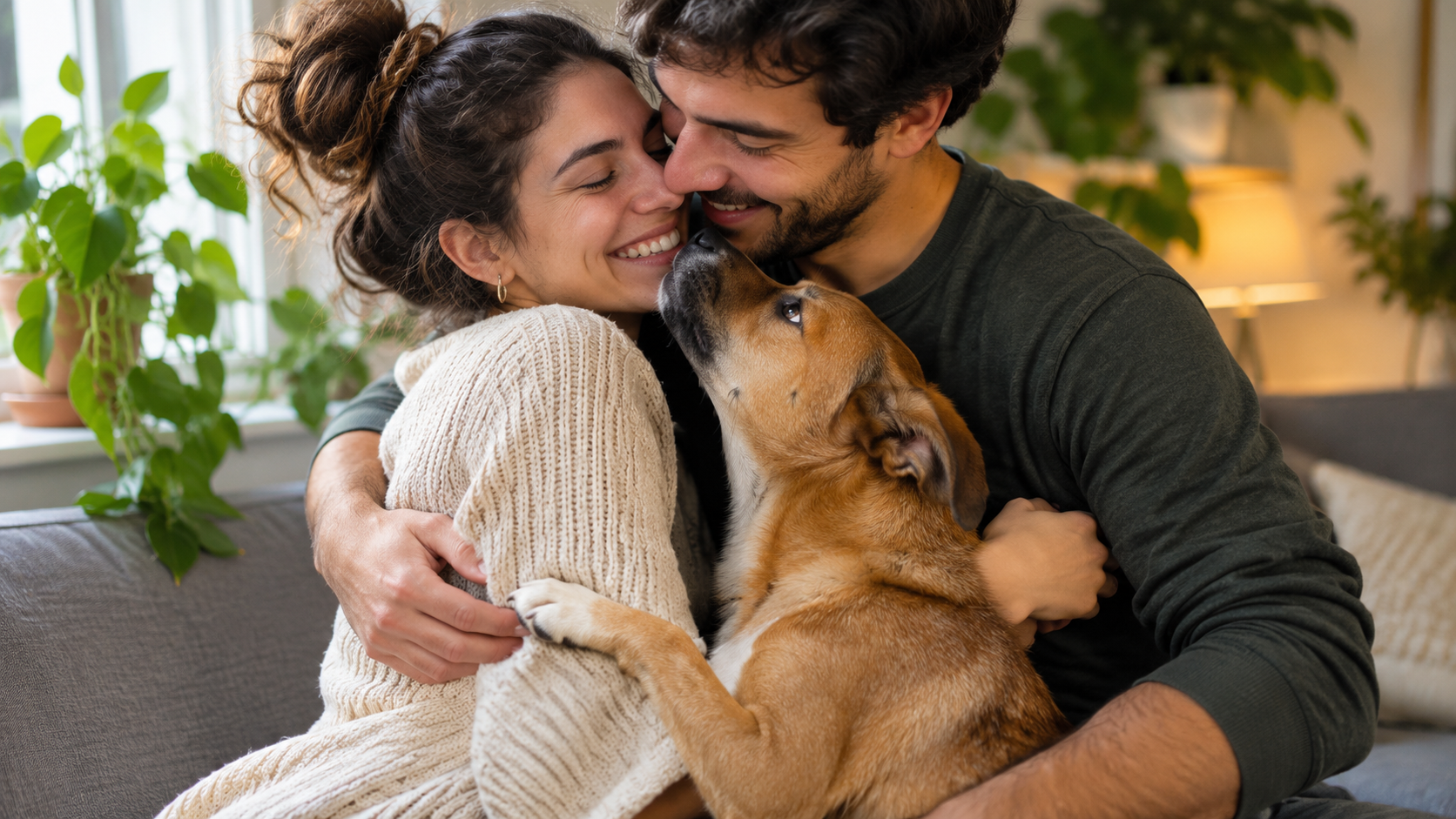
10. Intense Reactions During Reunions
Some dogs become extremely excited when their owners return.
However, an enthusiastic greeting alone is not evidence of separation anxiety.
The dog's behavior during the actual absence is much more informative.
Separation Anxiety or Boredom: How Can You Tell?
This is one of the most important distinctions for dog owners.
A bored dog may chew objects, investigate the house, or bark in response to environmental stimulation.
A dog experiencing separation anxiety may show sustained distress associated specifically with being left alone.
Both situations deserve attention, but the solutions may differ.
| Behavior | Possible Explanation |
|---|---|
| Brief barking at outdoor sounds | Environmental alerting |
| Chewing after long periods without enrichment | Possible boredom or unmet needs |
| Persistent pacing immediately after departure | Possible separation-related distress |
| Panic and escape attempts | Serious distress requiring professional assessment |
| Occasional house-training accidents | Medical, management, or behavioral causes |
These patterns are clues, not diagnostic rules.
A home camera is one of the most useful tools for understanding what your dog does after you leave.
Record a typical departure and observe when behaviors begin, how long they last, and whether your dog can settle.
Share relevant recordings with your veterinarian or behavior professional.
What Causes Separation Anxiety in Dogs?
There is no single cause.
Separation-related distress may involve several interacting factors.
Changes in Routine
A dog accustomed to spending most of the day with someone may struggle when the household schedule changes.
A new job, return to office work, or changes in family routines may affect the dog's experience of being alone.
Moving to a New Home
A new environment can introduce unfamiliar sounds, smells, and routines.
Some dogs need additional time and support to feel secure.
Limited Experience Being Alone
Dogs that have not gradually learned to spend time alone may find separation difficult.
This is particularly relevant for puppies and newly adopted dogs.
Individual Temperament and Previous Experiences
Some dogs are more sensitive to changes or unfamiliar situations than others.
Previous stressful experiences may contribute, but it is not always possible to identify one specific event.
Medical Problems
Pain, illness, sensory changes, and age-related cognitive problems can influence behavior.
A veterinary assessment is particularly important when separation-related behaviors begin suddenly or worsen unexpectedly.
How to Help a Dog With Separation Anxiety: 8 Practical Steps
The goal is not simply to stop barking or destruction.
It is to help the dog feel more comfortable and secure.
1. Start With a Veterinary Check
If you suspect separation anxiety, discuss the symptoms with your veterinarian.
Medical conditions may contribute to behavioral changes, and severe cases may require a coordinated treatment plan.
Bring videos, notes, and examples of your dog's behavior.
2. Record Your Dog When You Leave
Use a camera or spare phone to observe your dog during a typical absence.
Look for pacing, vocalizing, trembling, escape attempts, and the ability to rest.
Record when the behaviors begin and whether they continue.
This information can help distinguish different causes of separation-related problems.
3. Avoid Repeated Panic-Inducing Absences
If your dog experiences severe distress whenever left alone, repeatedly exposing them to long absences may make treatment more difficult.
Where possible, arrange temporary support through trusted friends, family, pet sitters, or appropriate daycare.
This management strategy can be challenging, but it helps avoid repeated overwhelming experiences while treatment is underway.
4. Practice Very Short, Comfortable Separations
Gradual desensitization is a common component of separation anxiety treatment.
For a dog that can tolerate it, training may begin with extremely brief separations that end before distress develops.
Some dogs need to start with movements around the house rather than actual departures.
The duration should increase only while the dog remains comfortable.
For dogs already showing significant anxiety, this process should be planned with a qualified behavior professional.
5. Teach Calm Independence at Home
Reward your dog for relaxing in a comfortable resting area while you are nearby.
Gradually introduce small amounts of movement and distance.
The objective is to build positive experiences with independent relaxation.
Do not force the dog to remain isolated or prevent them from seeking comfort when distressed.
6. Create a Comfortable Resting Environment
Provide fresh water, a suitable resting place, comfortable temperatures, and a safe environment.
Some dogs prefer a familiar bed in a quiet room.
Others feel more comfortable with access to a larger area of the home.
Avoid assuming that confinement will automatically reduce anxiety.
7. Use Enrichment Appropriately
Food puzzles, safe chews, scent games, and regular exercise can support well-being.
However, enrichment is not a cure for separation anxiety.
A dog experiencing intense distress may be unable to eat or engage with toys.
Use activities suited to your dog's needs and supervise new items before leaving them accessible.
8. Seek Qualified Behavioral Support
A veterinary behaviorist or qualified reward-based behavior professional can help develop an individualized treatment plan.
Severe cases may require medication prescribed by a veterinarian alongside behavior modification.
Medication should never be started, changed, or stopped without veterinary guidance.
Can You Train a Dog to Be Alone?
Yes, many dogs can gradually learn to tolerate and feel more comfortable with time alone.
However, the process depends on the dog's current emotional response.
For a puppy or a dog that is already comfortable with brief separations, gradual alone-time practice may be relatively straightforward.
For a dog experiencing panic, the process can be much more complex.
A helpful principle is:
Increase separation only while your dog remains comfortable, not after they have become overwhelmed.
If your dog begins pacing, vocalizing persistently, or showing other signs of distress, the exercise may be too difficult.
Reduce the challenge and seek professional guidance when necessary.
A Gentle 7-Day Starting Plan
This is a foundation for observation and calm indoor skills, not a seven-day cure for separation anxiety.
Dogs with severe distress should follow a professionally designed plan.
| Day | Focus | Suggested Activity |
|---|---|---|
| Day 1 | Observation | Record your dog's behavior during a normal departure if safe |
| Day 2 | Identify triggers | Note responses to keys, shoes, coats, and doors |
| Day 3 | Comfortable resting | Reward voluntary relaxation in a familiar space |
| Day 4 | Gentle independence | Practice calm activities while you move nearby |
| Day 5 | Predictable routines | Maintain consistent walks, meals, and rest |
| Day 6 | Enrichment | Introduce appropriate scent games and food puzzles |
| Day 7 | Review | Share observations with a veterinarian or behavior professional |
Do not deliberately provoke panic to complete an exercise.
Progress should be based on the dog's emotional comfort, not the calendar.
Should You Let a Dog Cry It Out?
Leaving a distressed dog to bark or cry until they stop is not a recommended treatment for separation anxiety.
Silence does not necessarily mean that the dog has become comfortable.
A dog may remain distressed even after vocalizing stops.
The RSPCA advises against leaving dogs to cry it out and recommends gradual, supportive training.
If your dog becomes distressed during alone-time practice, adjust the exercise rather than forcing them to endure it.
Does Crate Training Help Separation Anxiety?
Crates can be useful resting spaces for some dogs when introduced positively.
However, crate training does not automatically treat separation anxiety.
A dog that panics when confined may injure itself while trying to escape.
Never assume that locking a distressed dog in a crate will solve the problem.
A veterinarian or qualified behavior professional can help determine whether a crate is appropriate for the individual dog.
Can Another Dog Cure Separation Anxiety?
Not necessarily.
Some dogs may enjoy canine companionship, but separation anxiety is not always caused by the absence of any company.
A dog that is specifically distressed by separation from a particular person may remain anxious even when another dog is present.
Adding a second dog should not be treated as a reliable solution.
How Long Does Separation Anxiety Treatment Take?
There is no universal timeline.
Some dogs make progress over weeks, while others require months of structured support.
Progress depends on the severity of the distress, medical factors, the dog's history, and how consistently the treatment plan can be followed.
Improvement may initially mean that a dog can remain relaxed for a few additional seconds or minutes.
Those small changes can be meaningful.
Frequently Asked Questions
How do I know if my dog has separation anxiety?
Possible signs include persistent barking, pacing, destructive behavior, house-training accidents, or escape attempts associated with being left alone. A veterinarian and qualified behavior professional can help assess the cause.
Why does my dog cry when I leave?
Your dog may be experiencing separation-related distress, frustration, or another emotional response. Recording the behavior and observing its timing can help identify possible causes.
Can separation anxiety in dogs be cured?
Many dogs improve with appropriate management, gradual behavior modification, and veterinary support. Outcomes vary, and some dogs need ongoing management.
Do dogs grow out of separation anxiety?
Not reliably. Persistent separation-related distress should be assessed rather than assuming it will disappear with age.
Does leaving the TV on help?
Background sound may help some dogs feel more comfortable or mask outside noises, but it is not a proven standalone treatment for separation anxiety.
Should I ignore my dog when I come home?
There is no need to withhold affection as punishment. Calm, predictable greetings are appropriate. Focus on helping the dog feel secure during absences.
Can separation anxiety cause dogs to stop eating?
Yes. Some distressed dogs ignore food or favorite toys while alone. Persistent appetite changes also warrant veterinary attention.
Is separation anxiety more common in rescue dogs?
Newly adopted dogs may need time to adjust to unfamiliar routines, but separation anxiety can affect dogs from many backgrounds. Adoption history alone does not establish the cause.
When should I seek professional help?
Seek veterinary advice when you suspect separation anxiety, especially if your dog shows persistent distress, attempts to escape, injures itself, or experiences sudden behavioral changes.
Final Thoughts: Helping Your Dog Feel Safe When Alone
Separation anxiety is not a sign that a dog is being spiteful, manipulative, or deliberately disobedient.
For dogs experiencing genuine separation-related distress, being alone can be frightening.
The most effective approach begins with understanding what happens during absences, ruling out medical problems, and building comfort gradually.
With patience, appropriate management, reward-based behavior modification, and professional support when needed, many dogs can make meaningful progress.
The goal isn't to force your dog to tolerate fear.
It's to help them learn that being alone can become a safer, more predictable experience.
Sources and Further Reading
-
Dogs Trust — Separation Anxiety in Dogs: Signs, Causes and How to Help
https://www.dogstrust.org.uk/dog-advice/training/unwanted-behaviours/separation-anxiety -
ASPCA — Separation Anxiety
https://www.aspca.org/pet-care/dog-care/common-dog-behavior-issues/separation-anxiety -
American Animal Hospital Association — Separation Anxiety in Pets
https://www.aaha.org/resources/separation-anxiety-in-pets/ -
RSPCA — Separation-Related Behavior in Dogs
https://www.rspca.org.uk/adviceandwelfare/pets/dogs/behaviour/separationrelatedbehaviour -
Dogs Trust — How to Help Your Dog Get Used to Spending Time Alone
https://www.dogstrust.org.uk/dog-advice/training/home/time-alone