Why Does My Dog Stare at Me While I Eat? What Your Dog May Be Thinking
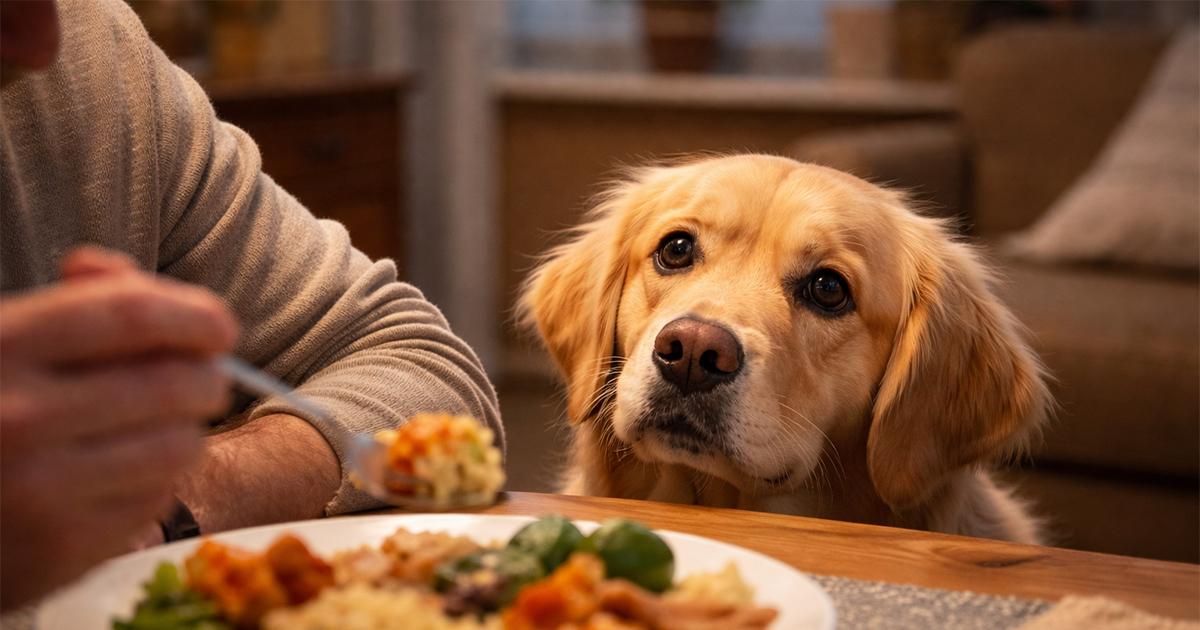
You sit down to enjoy dinner, take your first bite, and suddenly notice a pair of eyes watching your every move. Your dog is sitting nearby, perfectly still, looking at you as if your meal is the most fascinating thing in the world.
Sound familiar?
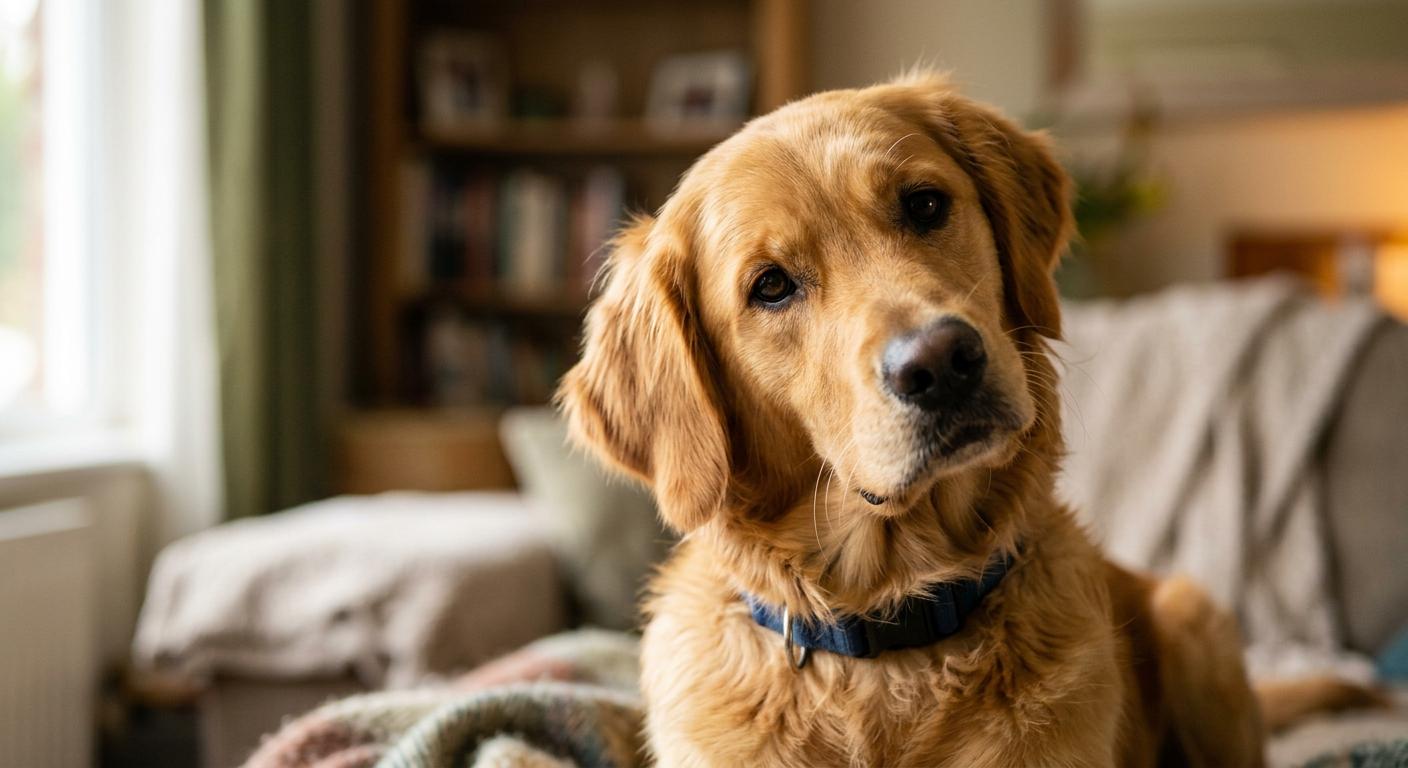
Many dog owners experience this daily. Some dogs watch silently, while others add a head tilt, a wagging tail, or an occasional whine to make their message even harder to ignore.
But what is your dog actually thinking when they stare at you while you eat? Are they hungry, curious, asking for attention, or trying to communicate something deeper?
The answer depends on the situation and your dog's body language. Although we cannot know exactly what a dog is thinking from a look alone, canine behavior research and veterinary guidance offer several useful explanations.
Why Does My Dog Stare at Me While I Eat?
In many cases, the simplest explanation is that your dog is interested in the food. Dogs have a powerful sense of smell, and the aromas coming from your plate can be difficult to ignore.
However, food is not the only possible reason. Your dog may also have learned that watching you sometimes leads to a reward, or they may simply be paying attention to a familiar part of your daily routine.
Here are the most common explanations.
1. Your Dog Wants a Bite of Your Food
This is often the first explanation that comes to mind, and it can be correct.
Your dog can smell the food on your plate and may be curious about its taste. If you have ever shared a small piece of food during dinner, your dog may remember that sitting nearby and looking at you sometimes leads to a tasty reward.
Dogs learn from experience. If staring has occasionally resulted in a treat, a scrap of food, or even extra attention, the behavior may continue.
That does not necessarily mean your dog is being manipulative. They may simply be repeating something that has worked before.
2. Your Dog Has Learned That Begging Gets Results
A dog does not need to understand human dining etiquette to learn how mealtime works.
Imagine that your dog stares at you while you eat. You ignore the behavior for a few minutes, but eventually you give in and share a bite.
From your dog's perspective, the waiting paid off.
If this happens repeatedly, the behavior can become a habit. Even occasional rewards may encourage your dog to keep trying.
The American Kennel Club explains that dogs may learn to stare at their owners to request food or attention, especially when the behavior is rewarded.
If you want to reduce begging, consistency matters. Everyone in the household should follow the same rules rather than allowing one person to feed the dog from the table while another tries to discourage it.
3. Your Dog Is Curious About What You Are Doing
Dogs observe people throughout the day. They learn routines, notice movements, and often pay close attention when something interesting happens.
Your dog may watch you open a food container, pick up a fork, move a plate, or sit in a particular chair because these actions have become familiar signals.
The dog may not be thinking a complicated thought about your dinner. They may simply be paying attention to an activity that has caught their interest.
Context matters. If your dog watches you prepare food but then settles down comfortably, that is different from a dog that becomes tense or distressed around food.
4. Your Dog Wants Attention or Company
Mealtimes can also be social moments.
Your dog may enjoy being near you and watching your face, particularly if you usually talk to them, pet them, or interact with them during meals.
Some dogs seek attention by sitting close, nudging a hand, or making eye contact. Others simply remain nearby.
A relaxed posture, soft eyes, and a loose body can be consistent with ordinary social interest. However, eye contact alone cannot prove that a dog is expressing affection. The rest of the dog's behavior provides important clues.
5. Your Dog Is Anticipating a Familiar Routine
Dogs are good at recognizing patterns.
If your dog usually eats shortly after you finish dinner, they may watch you because they have learned what comes next. Similarly, if you often give them a chew toy while you eat, your dog may anticipate that activity.
Your dog might also be waiting for a walk, a game, or another familiar part of the evening routine.
In these situations, the stare may be less about the food itself and more about what your dog expects to happen next.
Does Your Dog Think You Are Sharing a Meal?
It is tempting to interpret a dog's gaze through a human perspective. You might imagine that your dog feels left out or wonders why everyone else is eating.
However, we should be careful about assuming that dogs interpret mealtimes exactly as humans do.
Dogs are social animals, and they learn a great deal from interactions with people. They can also develop expectations around food and routine. But a stare does not reveal a precise thought or emotion.
A more reliable approach is to consider what the dog has learned, what is happening around them, and whether their body language suggests comfort or distress.
Instead of asking only, "What is my dog thinking?", try asking, "What might my dog be trying to obtain, and what does their body language tell me?"
That question can help you respond more effectively.
How to Read Your Dog's Body Language During Dinner
Your dog's posture may tell you more than their eyes alone.
Signs of relaxed interest
A dog that is comfortable may show:
- A loose, relaxed body.
- Soft eyes and a natural facial expression.
- Normal breathing.
- A relaxed tail and ordinary movement.
- The ability to lie down or move away without difficulty.
These signs can be consistent with calm interest in your meal or a familiar routine. They do not guarantee a particular emotional state, but they are generally less concerning than signs of tension.
Signs your dog may be uncomfortable
Pay closer attention if your dog becomes unusually still, stiffens, freezes, or gives a hard, fixed stare when food is nearby.
Other warning signs may include growling, showing teeth, snapping, or guarding food and objects.
Veterinary guidance from VCA Animal Hospitals identifies stiffening, freezing, and staring in food-related situations as possible signs of resource guarding.
If you notice these behaviors, do not reach for your dog's food, punish the growl, or force interaction. Give the dog space and seek help from a veterinarian or a qualified behavior professional, particularly if the behavior is new or escalating.
Should You Give Your Dog Food From Your Plate?
You do not need to share your dinner every time your dog looks at you.
Giving table scraps can reinforce begging, particularly when the dog learns that persistent staring eventually earns a reward. If you prefer to share occasional treats, it is better to establish clear rules and offer suitable portions separately rather than feeding directly from your plate.
Remember that some human foods are dangerous for dogs.
The ASPCA warns that foods such as chocolate, grapes and raisins, onions, garlic, products containing xylitol, and certain other ingredients can pose serious risks to pets.
Rich, fatty, salty, or heavily seasoned foods may also be unsuitable. When in doubt, check with your veterinarian before offering a new food.
A balanced, complete dog food should remain the foundation of your pet's diet. Treats should be appropriate for your dog's size, health, and nutritional needs.
How to Stop Your Dog From Staring and Begging While You Eat
If your dog's attention makes meals difficult, the goal is not to punish them for looking at you. Instead, teach a behavior that works better for everyone.
1. Establish a Comfortable Place to Settle
Choose a dog bed or mat near the dining area but far enough away that your dog can relax without being underfoot.
Practice sending your dog to the mat at times when you are not eating. Reward calm behavior so the dog learns that settling in this spot is worthwhile.
Once the behavior becomes more reliable, use it during meals.
2. Reward Calm Behavior
When your dog lies down quietly or remains settled, reward that behavior according to your training plan.
You can offer a suitable dog treat on the mat or provide an appropriate food puzzle before you sit down to eat.
The aim is to teach your dog what you want them to do, rather than focusing only on what you want them to stop doing.
3. Avoid Inconsistent Rules
If one family member feeds the dog from the table while another never does, the dog may continue trying because the reward remains possible.
Agree on a household rule. If table begging is not allowed, everyone should follow that rule consistently.
It may take time for an established habit to change. Be patient and make sure your dog has an appropriate alternative activity.
4. Plan Ahead for Difficult Meals
For guests, celebrations, or meals that require extra attention, prepare your dog in advance.
A comfortable resting area, an appropriate chew, or a suitable food puzzle can help keep your dog occupied. Supervise your pet and choose items that are safe for their chewing style.
If your dog becomes distressed or shows signs of guarding, avoid forcing them to remain close to the table. Create space and seek professional advice if needed.
5. Check Whether Your Dog's Needs Are Being Met
A dog that constantly seeks attention may benefit from more appropriate opportunities for interaction, play, exercise, or mental enrichment.
However, staring at you while you eat does not automatically mean your dog is bored or under-exercised. Look at the broader pattern of behavior before deciding what needs to change.
If begging suddenly becomes much more intense or is accompanied by a notable change in appetite, thirst, weight, or general behavior, speak with your veterinarian.
Frequently Asked Questions
Why does my dog stare at me without blinking while I eat?
Your dog may be highly focused on the food or waiting for a familiar response. However, a fixed stare combined with a stiff body, freezing, or growling can indicate discomfort or guarding. Consider the full body language and give your dog space if they seem tense.
Does my dog love me when they stare at me?
Eye contact can be part of normal social communication between dogs and humans, but staring alone does not prove love or affection. Look at the overall interaction, including whether your dog appears relaxed and comfortable.
Why does my dog whine while staring at my food?
Whining may occur because your dog wants food, attention, or access to something. If whining has sometimes resulted in a reward, it may become part of the begging routine. Teaching a calm alternative can help.
Should I ignore my dog when they beg?
If your dog is displaying ordinary food-seeking behavior, avoid rewarding begging with table scraps and teach a different behavior, such as settling on a mat. Do not ignore signs of fear, distress, illness, or food guarding. Those situations require a different response.
Is it bad to let my dog sit beside me while I eat?
Not necessarily. A dog can sit nearby if everyone is comfortable and the dog remains relaxed. The important points are to prevent unwanted begging, avoid unsafe food sharing, and recognize any signs of tension around food.
The Bottom Line: What Is Your Dog Really Asking For?
When your dog sits perfectly still and watches you eat, they may want a bite, expect attention, recognize a familiar routine, or simply be curious about what you are doing.
The stare alone cannot tell you exactly what is going through your dog's mind. The most useful clues come from the situation, your dog's learning history, and their body language.
If you want peaceful mealtimes, establish consistent rules, reward calm behavior, and offer your dog a comfortable alternative to begging.
And remember: you can enjoy your dinner while still making your dog feel included. Sometimes the best solution is not sharing what is on your plate, but giving your dog a routine that helps them relax beside you.
Editorial note: This article provides general educational information about canine behavior. It is not a substitute for veterinary advice or an individualized behavior assessment.